
Responsive vs Spontaneous Desire: Why We Don't All Want Sex the Same Way

There is a familiar idea about sexual desire: you suddenly feel in the mood, approach your partner, and intimacy naturally follows.
Real life is often more complex.
For some people, desire appears seemingly out of nowhere. A thought, image, memory, or moment can create immediate sexual interest. This is commonly described as spontaneous desire.
For others, desire may develop after something pleasurable has already begun. Kissing, cuddling, relaxing together, emotional closeness, or sensual touch can gradually create interest. This is often called responsive desire.
Neither pattern is superior.
Understanding this difference can be especially useful in relationships. If one partner expects desire to be present before intimacy begins while the other becomes interested only after feeling relaxed and connected, misunderstandings can easily develop.
Instead of asking, “Why aren't you in the mood?”, a more constructive question may be:
“What helps you get into the mood?”
For one person it might be privacy. For another it could be conversation, massage, time to unwind, playful flirting, or simply knowing that there is no pressure to continue.
Desire is not fixed either. Everyday responsibilities, tiredness, mood, relationship dynamics and many other personal factors can influence it.
There is therefore little value in comparing your own pattern of desire with someone else's.
Understanding what allows you to feel comfortable, interested and present can create a much more realistic—and enjoyable—approach to intimacy.
Related Articles

Body Neutrality and Sex: You Don't Have to Love Every Part of Your Body
Sexual confidence does not require loving every inch of your body. Body neutrality offers a calmer way to approach appearance, intimacy and pleasure.

Penis Extenders: How to Choose the Right One for You
Penis extenders can temporarily add length and girth during use, but different designs offer very different sensations and fits. Learn what to consider and compare Elite Uncut, Tenacity and Thrive.
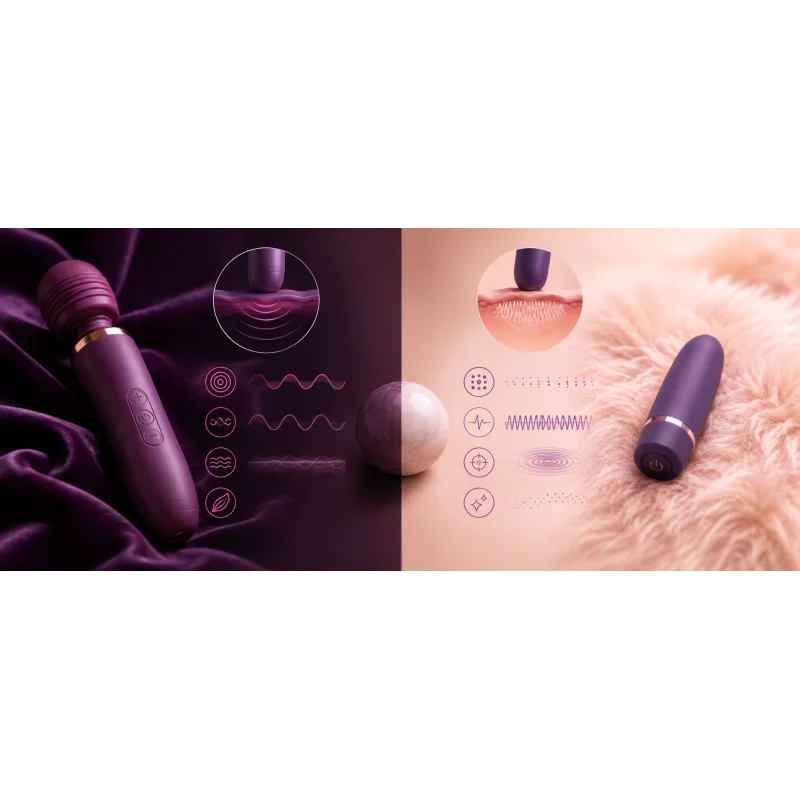
Rumbly vs Buzzy Vibrations: A Guide for Beginners
Exploring rumbly vs buzzy vibrations in sex toys can enhance your intimate experience. Learn how different vibrations feel, how to choose the right products and what factors affect sensation. This beginner's guide offers practical advice on selecting toys based on your personal preference and sensitivity.
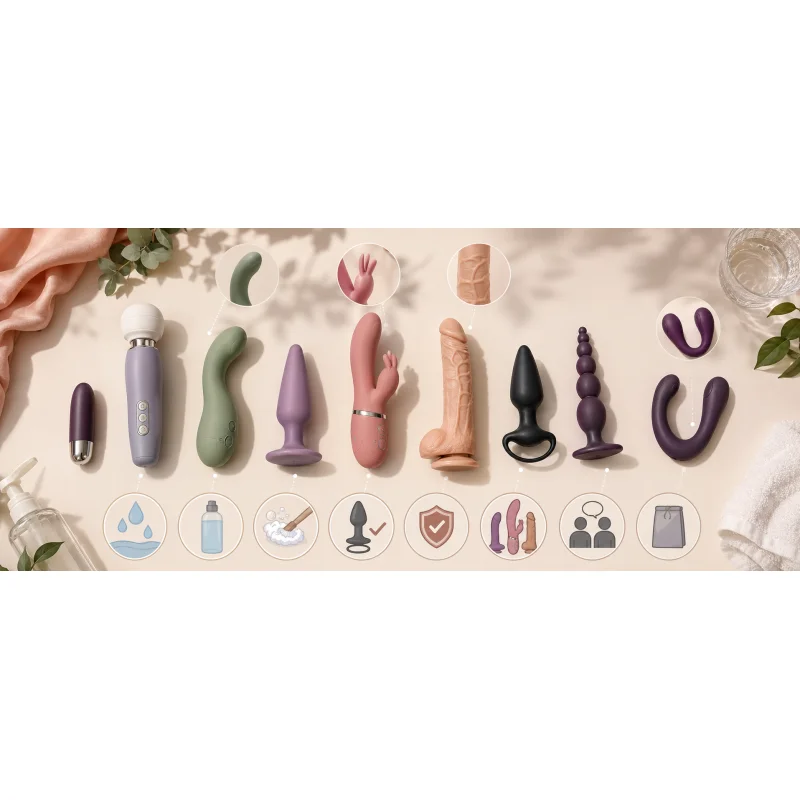
Sex Toy Shapes: The Complete Guide for Beginners
Exploring sex toy shapes can be a delightful journey for beginners. Understanding how shape affects stimulation, comfort and use is key to finding the perfect match for your desires.

Temperature Play: A Beginner's Guide to Sensory Exploration
Explore the thrilling world of temperature play with our beginner-friendly guide. Discover how warm and cool sensations can enhance intimacy and learn how to explore them safely.
Join Our Newsletter
Get the latest tips and exclusive offers.