
local_shipping
Free delivery on orders over €50*
|inventory_2
Discreet packaging on every order
|verified_user
Secure checkout
Free delivery on orders over €50*Discreet packaging on every orderSecure checkoutFree delivery on orders over €50*Discreet packaging on every orderSecure checkout
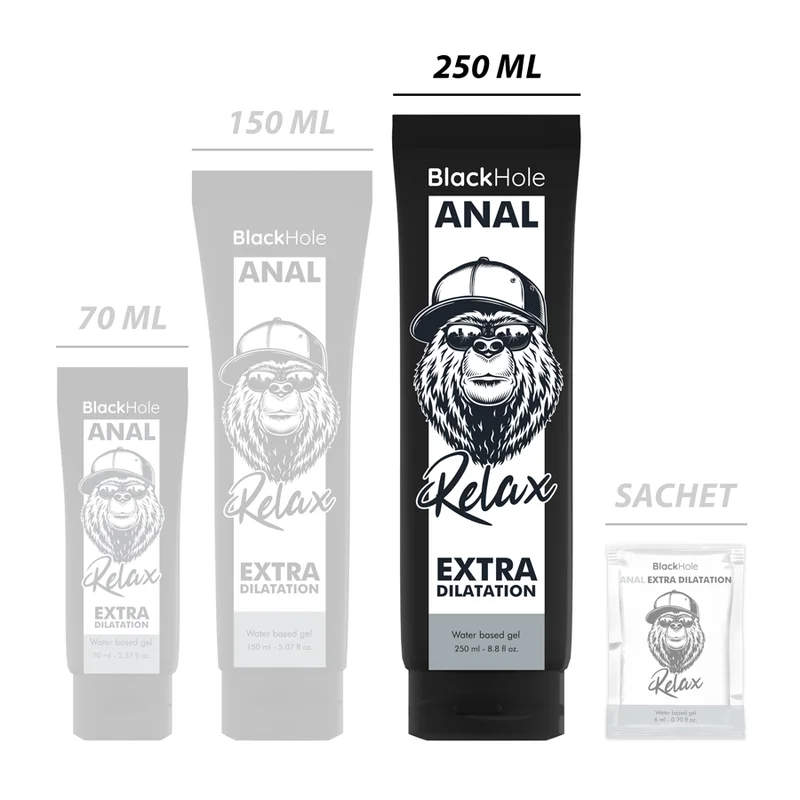
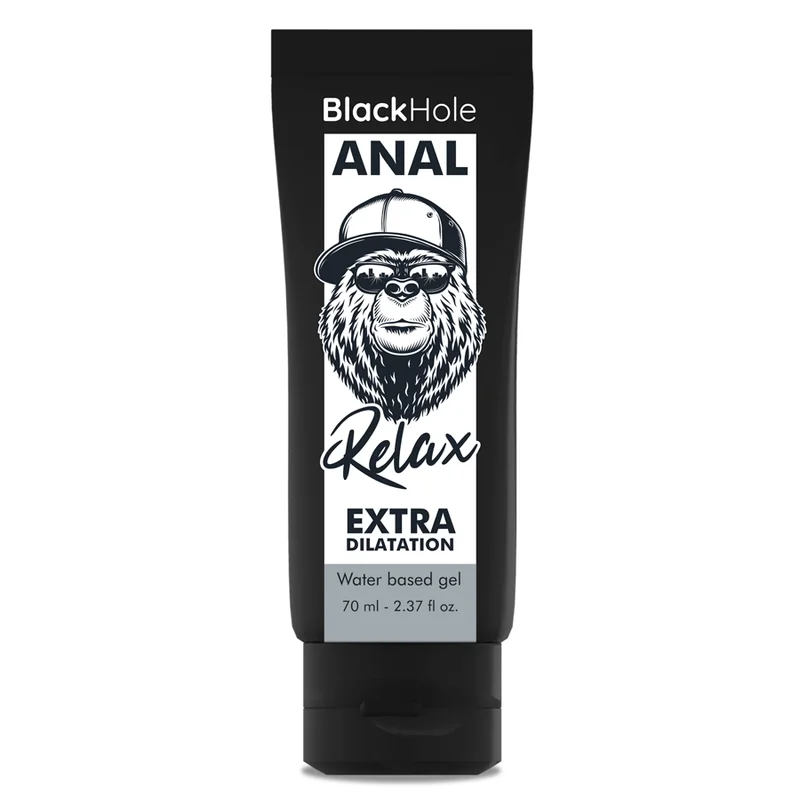
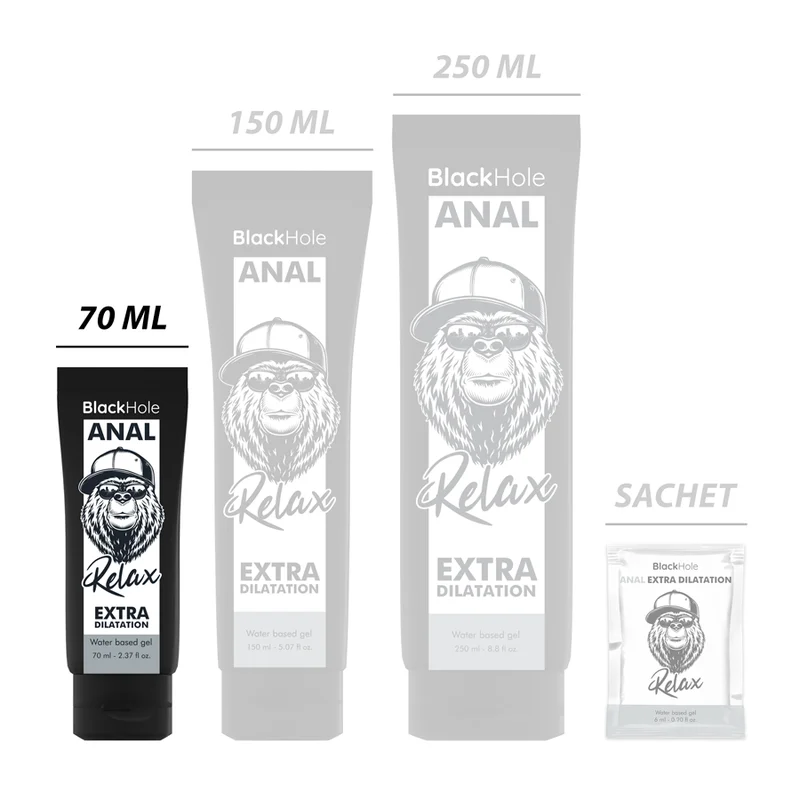
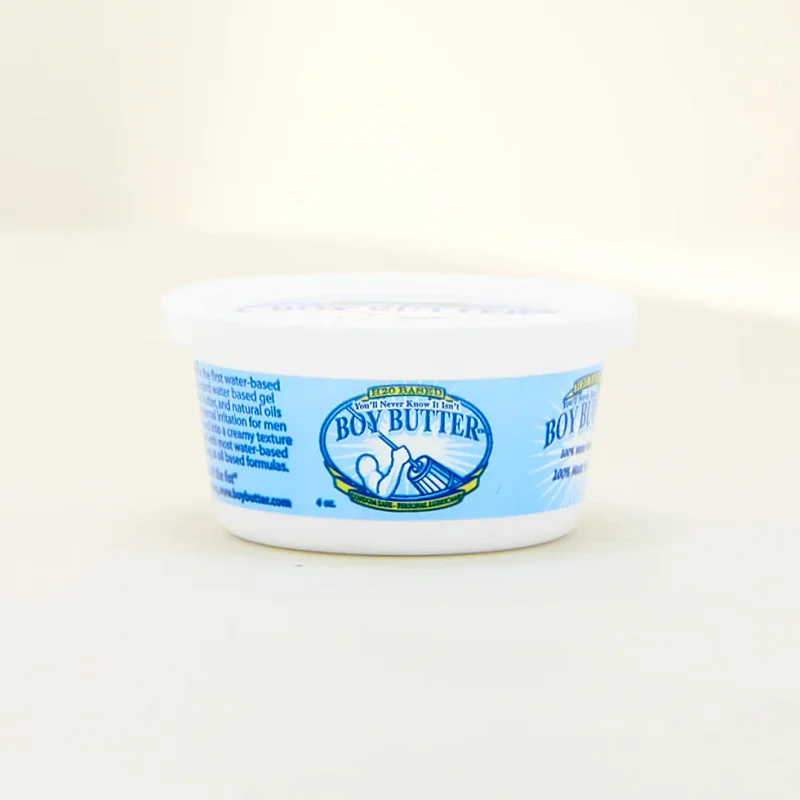
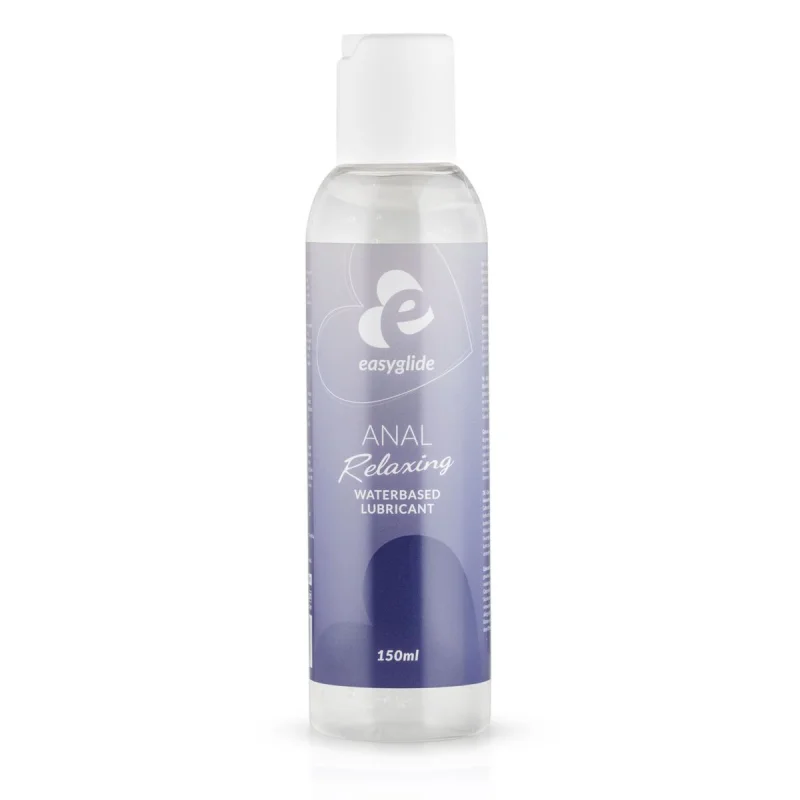
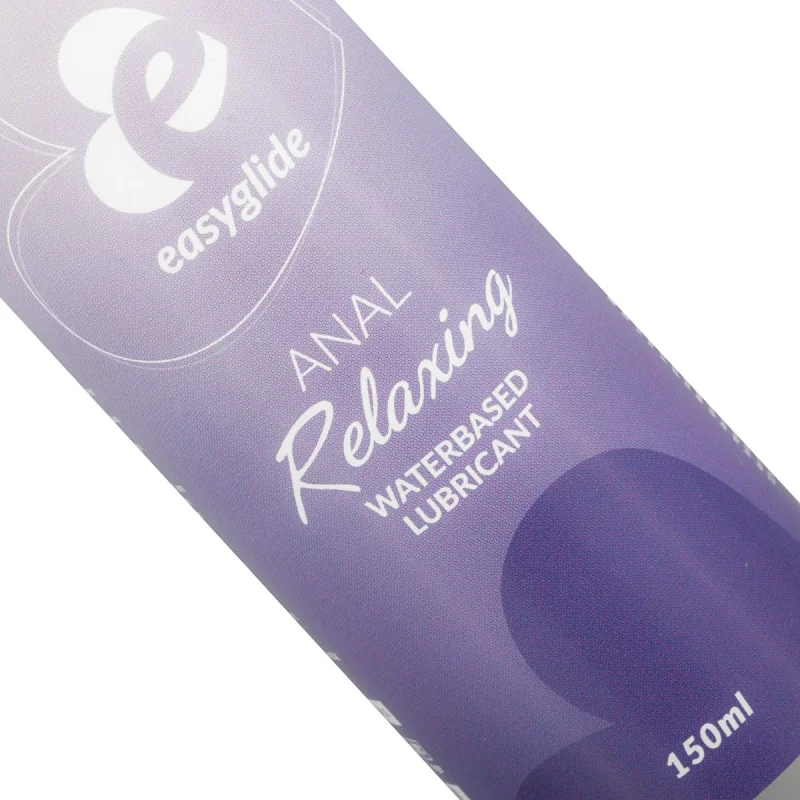
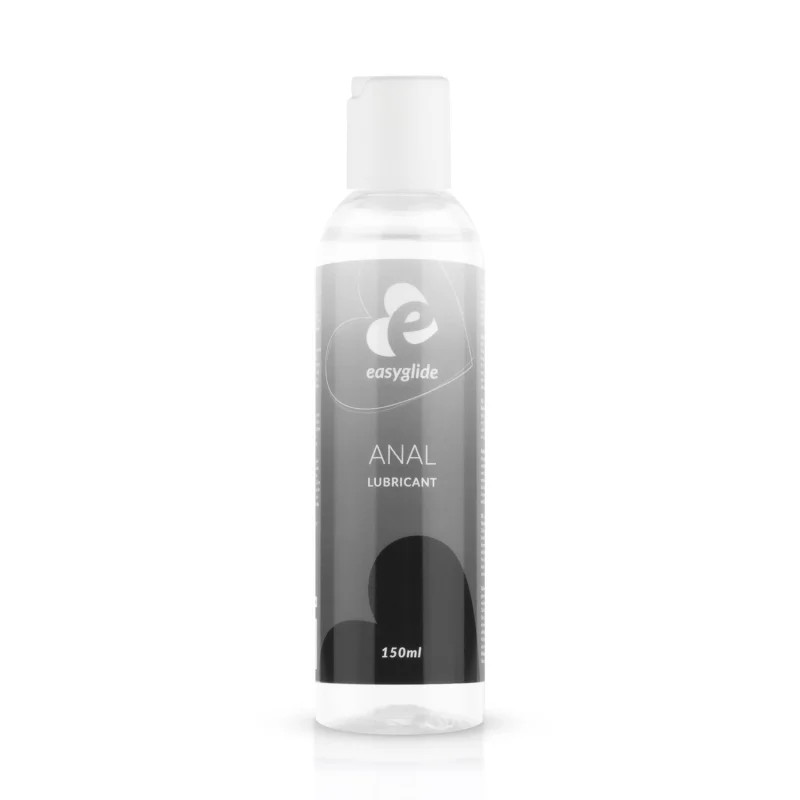
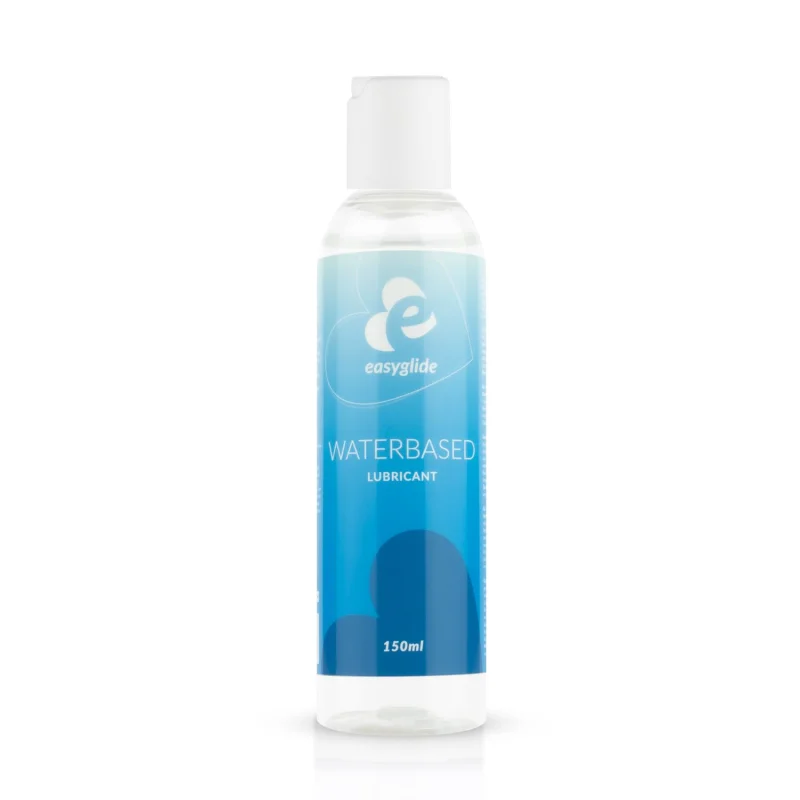
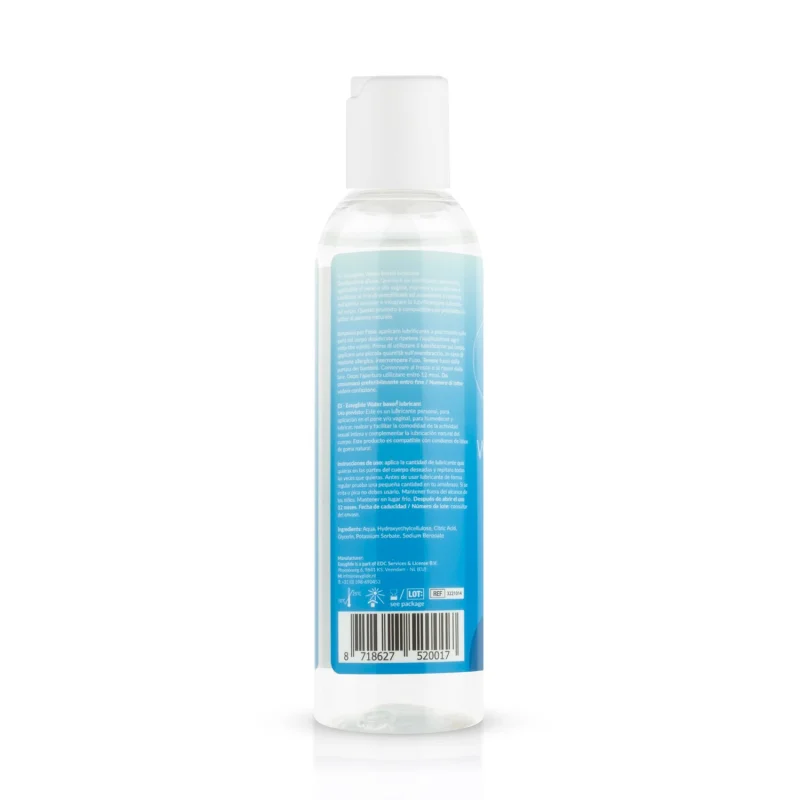
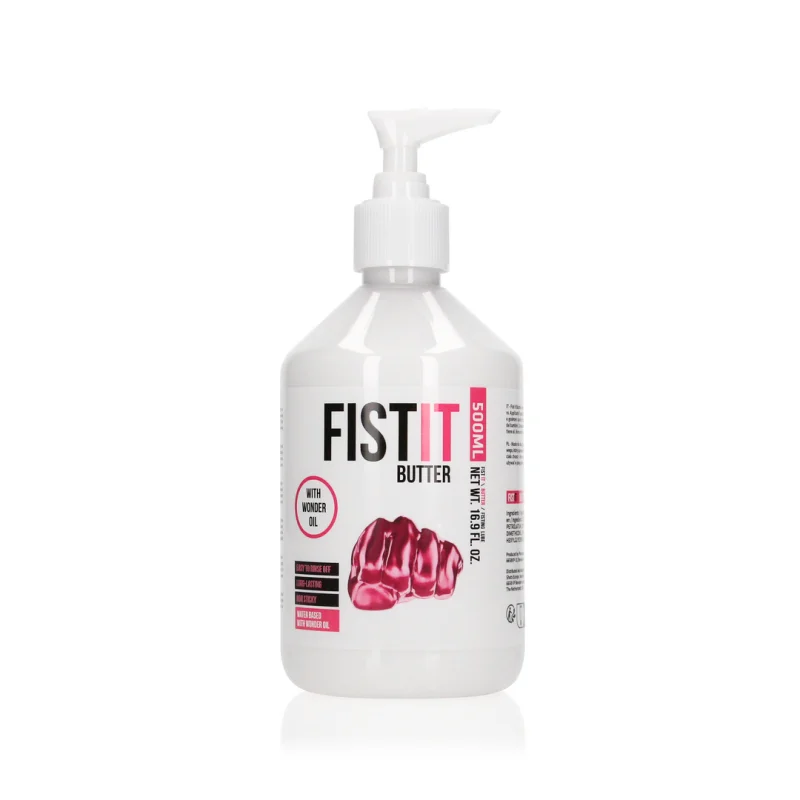
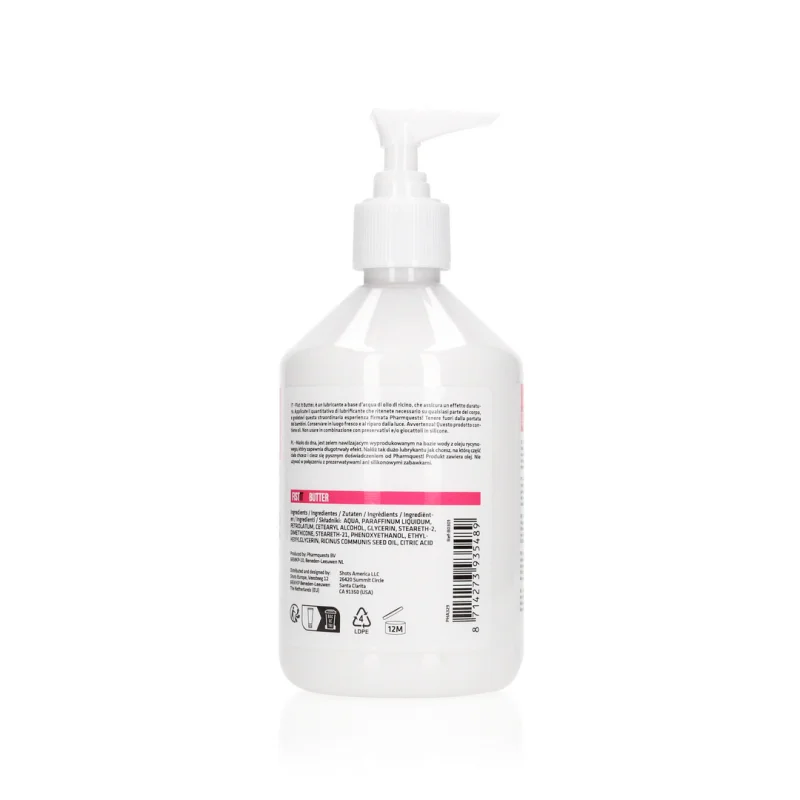
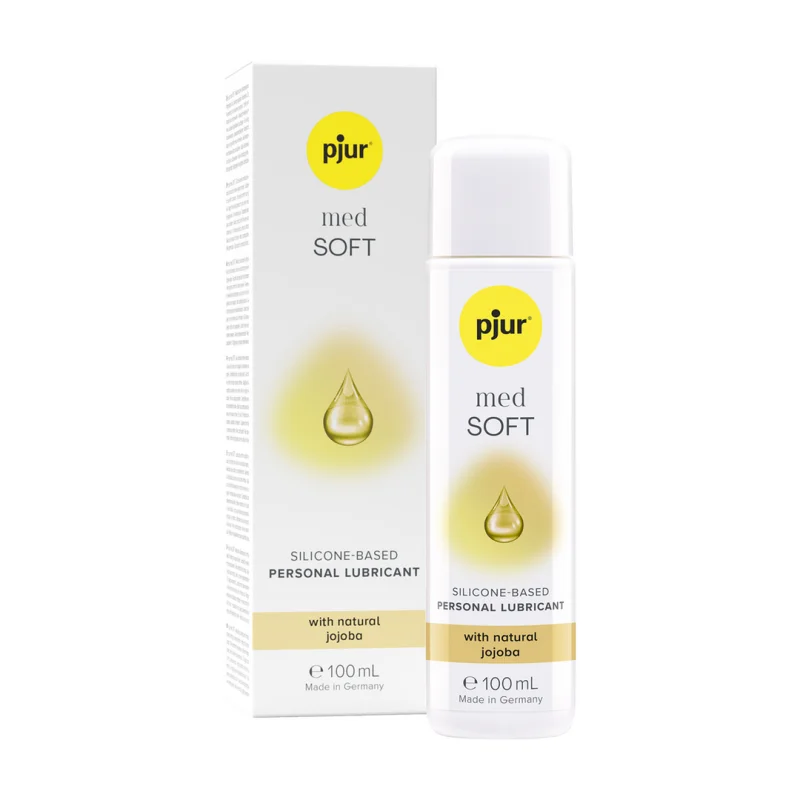
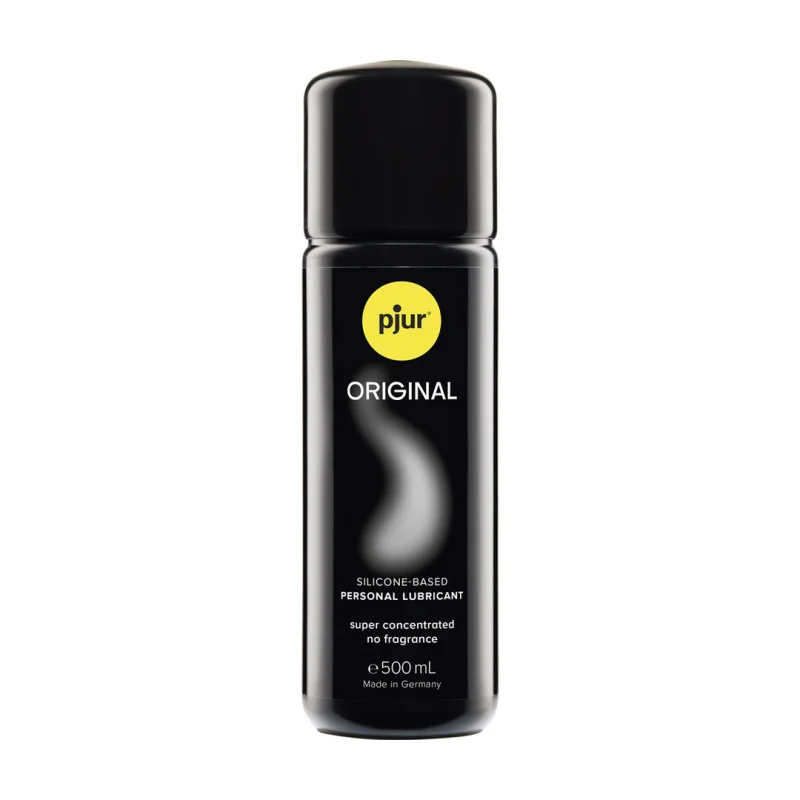
The main types are water-based, silicone-based, oil-based, and hybrid. Water-based lubricants are the most versatile: safe with condoms and most toys, easy to wash off, and good for vaginal or anal use. Silicone-based lubricants last longer (don't dry out quickly) and are very slippery, but they can damage silicone sex toys. Oil-based (e.g. coconut oil) last a long time but cannot be used with latex condoms (will break them) and can be more difficult to clean.


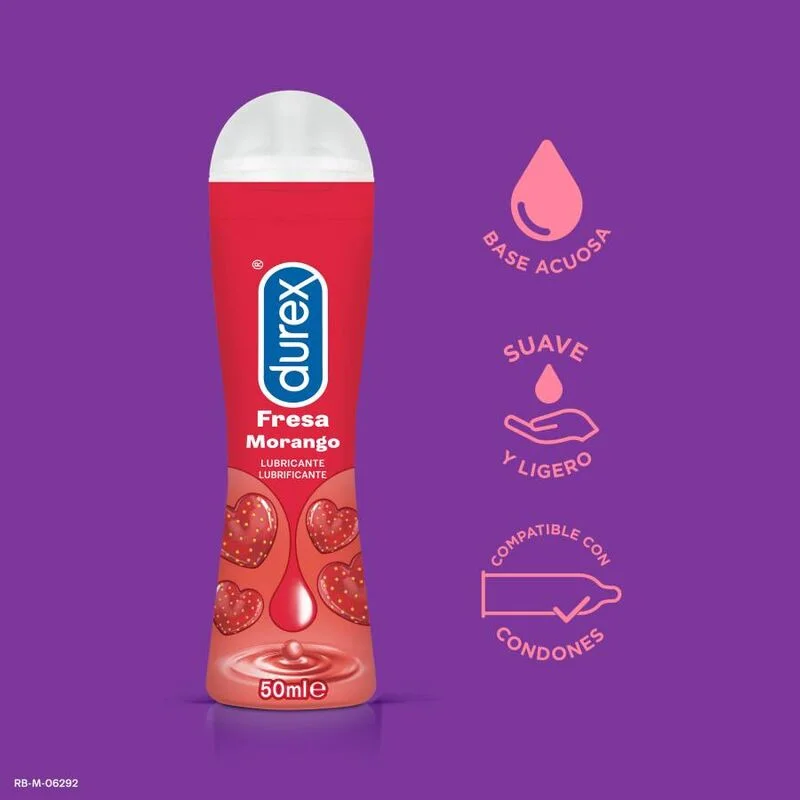
Consider the activity: for toy use (especially silicone toys) pick water-based. For longer sessions or anal play (where more lube is usually needed), silicone or hybrid lubes are great. If you use condoms, avoid oil-based. For oral or vaginal, flavored water-based lubes exist (edible). Sensitive skin?
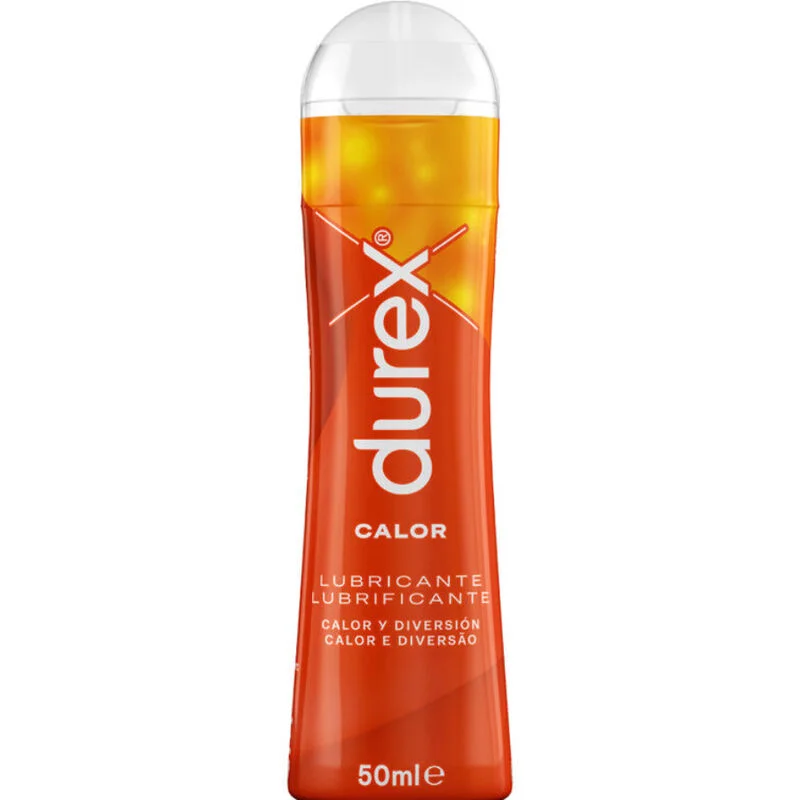
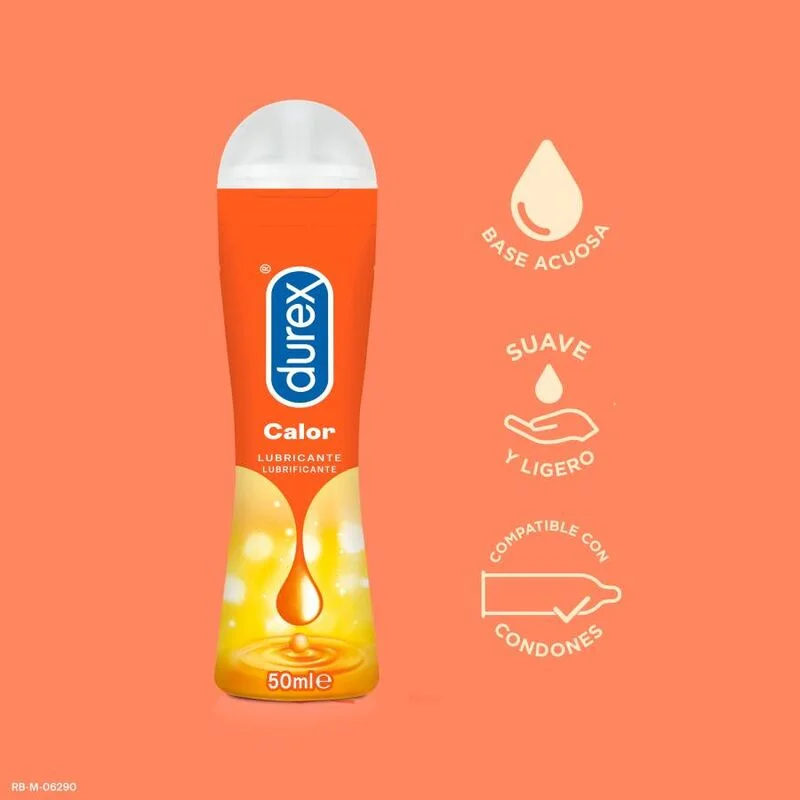
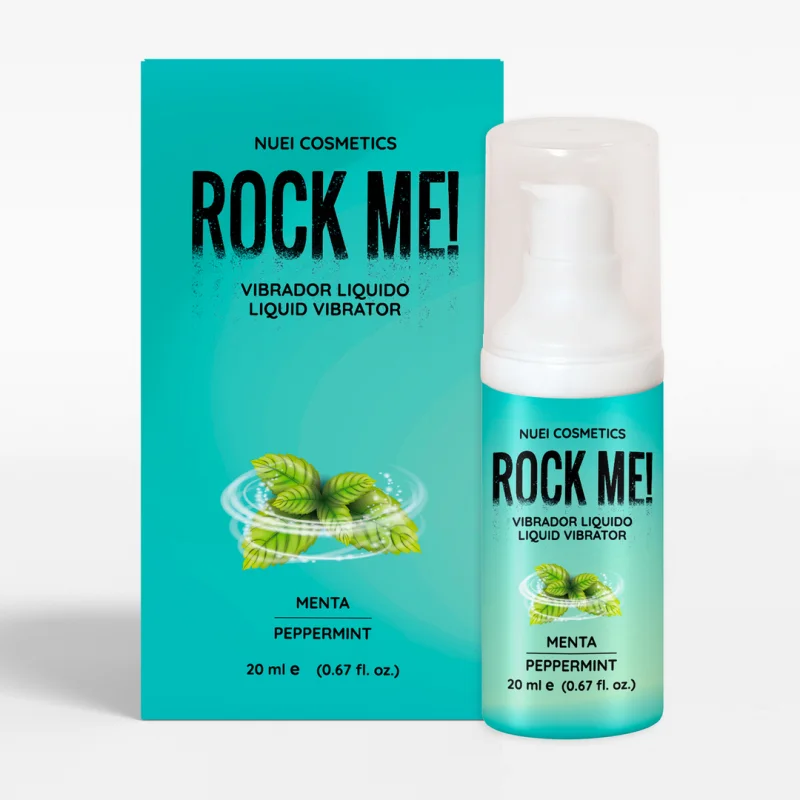
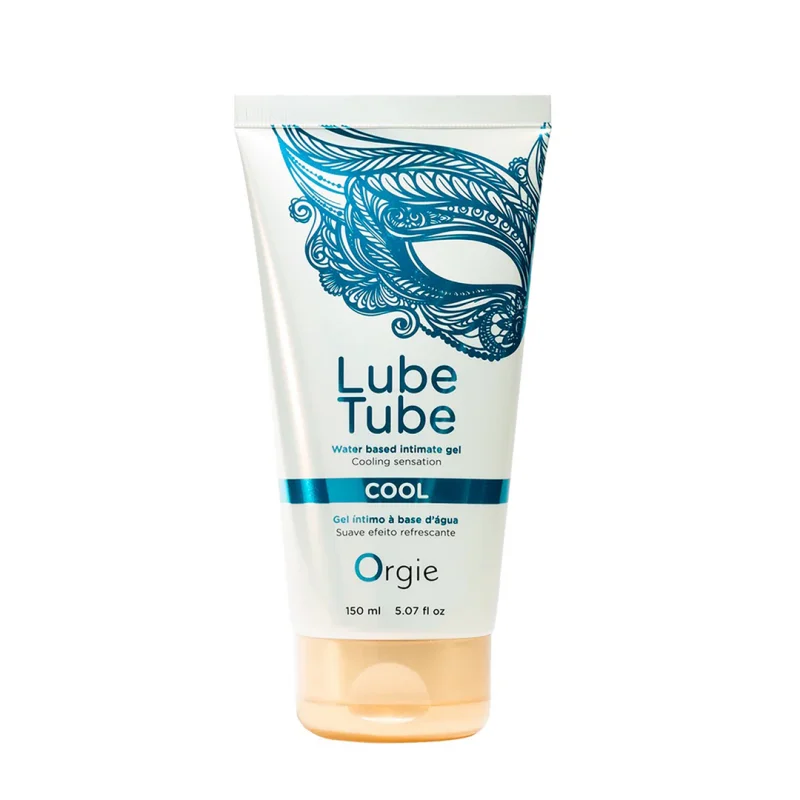
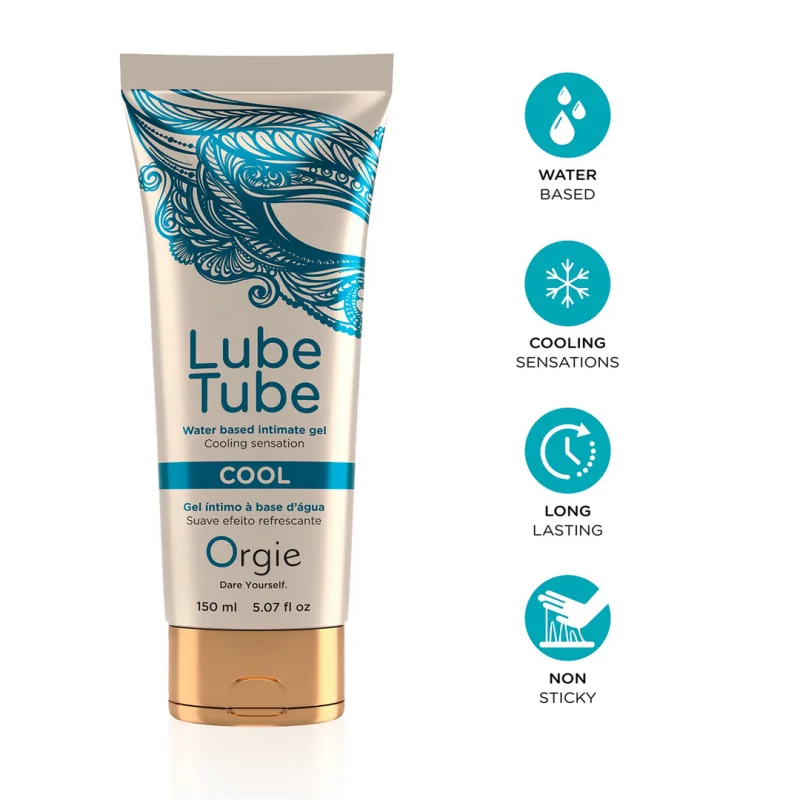
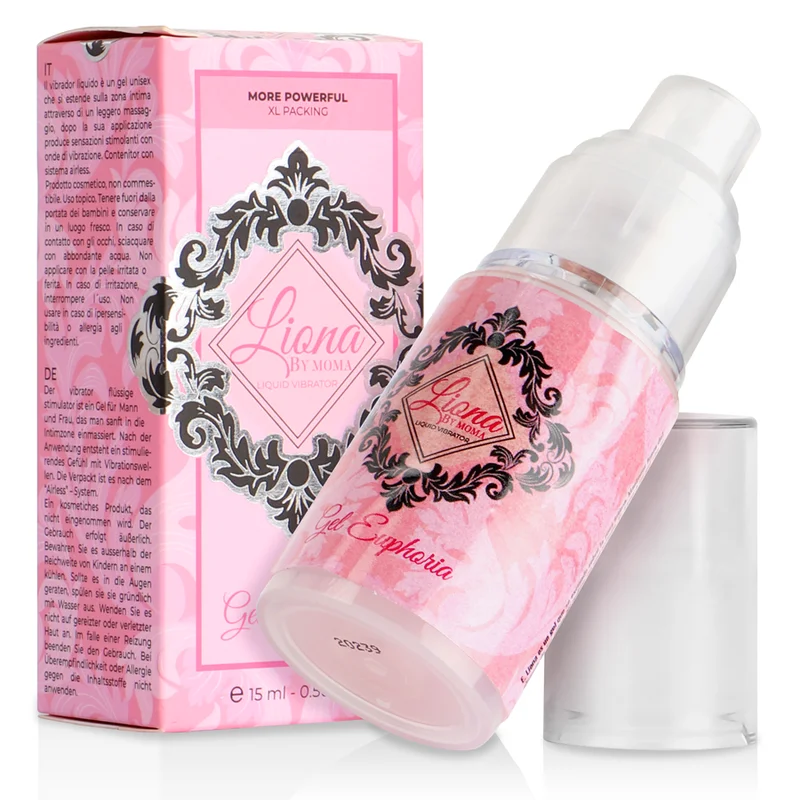
Yes. There are warming lubes (contain mild vasodilators like capsaicin or menthol for heat), cooling lubes (menthol or peppermint), numbing lubes (with lidocaine for extra intensity), and even pH-balancing feminine washes (though not exactly lube). "Warming" and "cooling" gels for clitoral arousal exist. Also, lubricants marketed for men (to prolong erections) or women (for dryness relief). Always test a small skin patch if trying a potent additive.
Generally, it's safer to buy lube. Some people use natural oils (like fractionated coconut oil) as lube, but those should not be used with latex condoms. Some mix aloe vera gel with a bit of water for a quick DIY lube (check it's pure aloe). Anything with sugar or oil can cause infections or condom breakage. Be cautious: many home recipes aren't pH balanced or sterile.
We use cookies to improve your experience. Essential cookies are always active. Optional cookies help us analyse traffic and personalise content.
Privacy Policy