
Pleasure Mapping: A Gentle Way to Discover What You Enjoy

Pleasure is personal. What feels relaxing, exciting or comforting for one person may feel completely different for someone else. This is why self-discovery is so important. The more you understand your body, the easier it becomes to feel confident, communicate your needs and choose experiences that truly suit you.
Pleasure mapping is a simple way to explore this connection. It is not about doing something perfectly. It is not about reaching a specific result. It is about slowing down, listening to your body and noticing what feels good in a relaxed and mindful way.
What Is Pleasure Mapping?
Pleasure mapping is the process of gently exploring different sensations on the body to understand what you enjoy. It can include touch, pressure, temperature, rhythm, texture and mood.
The idea is simple: instead of rushing toward a goal, you give yourself time to observe. You notice what feels pleasant, what feels neutral and what does not feel right for you. This helps you build a more honest connection with your body.
Pleasure mapping can be done alone or with a partner. When explored alone, it becomes a private self-care ritual. When explored with a partner, it can help improve communication and create a more comfortable intimate connection.
Why It Matters
Many people think they already know what they like. But our preferences can change over time. Stress, mood, confidence, relationships and even daily habits can affect how connected we feel to our bodies.
Pleasure mapping gives you space to check in with yourself. It helps you understand not only what feels good physically, but also what helps you feel emotionally relaxed and present.
This kind of awareness can make intimate moments feel less pressured and more natural. It can also help you feel more confident when choosing products such as lubricants, massage oils, vibrators or sensory accessories.
Start With Comfort
Before exploring, create an atmosphere that feels calm and private. You do not need anything complicated. A clean space, soft lighting, comfortable clothing and a few quiet minutes can make the experience feel more intentional.
You can take a warm shower, play soft music or use a body lotion or massage oil to help your body relax. The goal is not to create a perfect scene. The goal is to feel safe, comfortable and free from pressure.
Comfort is the foundation of pleasure mapping. When your body feels relaxed, it becomes easier to notice subtle sensations and respond naturally.
Explore Different Sensations
Pleasure mapping is about curiosity. You can explore different kinds of touch and notice how your body reacts.
Some sensations may feel soft and calming. Others may feel more stimulating. You might enjoy gentle pressure, slow movement, smooth textures or warmth. You may also discover that some areas feel more sensitive than others.
Body-safe products can be useful during this process. A water-based lubricant can make touch feel smoother. A massage oil can add warmth and softness. A small vibrator can help you understand how your body responds to vibration. Sensory accessories can introduce texture in a simple and playful way.
The most important rule is to move slowly. Give yourself time to notice what feels pleasant without forcing anything.
Listen Without Judging
Pleasure mapping works best when there is no judgment. There is no correct reaction and no wrong preference. Your body may respond differently from day to day.
One day, you may prefer gentle touch. Another day, you may enjoy stronger sensations. Sometimes, you may simply want relaxation rather than sensual exploration. All of these responses are normal.
Try to observe your body with kindness. Ask yourself simple questions:
What feels relaxing?
What feels enjoyable?
What feels too intense?
What helps me feel more present?
These questions can help you understand your preferences in a clear and natural way.
Use Products as Tools, Not as Pressure
Intimate products can support pleasure mapping, but they should never create pressure. A product is not there to perform for you. It is there to help you explore different sensations at your own pace.
For beginners, simple products are often the best choice. A soft lubricant, a gentle bullet vibrator, a massage candle or a small external stimulator can offer a comfortable starting point.
If you are more experienced, you can explore different textures, vibration patterns or temperature play with safe and suitable products. The goal is always the same: to discover what feels right for your body.
Pleasure Mapping With a Partner
Pleasure mapping can also be a beautiful experience with a partner. It creates space for communication without pressure. Instead of guessing what the other person enjoys, you can explore slowly and talk openly.
Simple phrases can help:
That feels good.
A little softer.
A little slower.
Let us try something different.
This kind of communication can make intimacy feel more relaxed and more connected. It also helps both partners feel respected and understood.
Make It Part of Self-Care
Pleasure mapping does not have to be a one-time experience. You can make it part of your self-care routine whenever you feel the need to reconnect with yourself.
It can be a quiet evening after a stressful week. It can be part of a solo date night. It can be a way to understand your body after a life change, a new relationship or a period of low confidence.
The more you practice listening to your body, the easier it becomes to recognize your needs. This awareness can support confidence, relaxation and a healthier relationship with pleasure.
Final Thoughts
Pleasure mapping is not about performance. It is about awareness.
It gives you permission to slow down, explore your senses and discover what your body truly enjoys. Whether you explore alone or with a partner, the experience should feel comfortable, respectful and personal.
Your pleasure does not need to follow anyone else’s rules. It can be soft, playful, sensual, quiet or deeply relaxing. The most important thing is to listen to your body and move at your own pace.
Self-discovery begins with curiosity. Pleasure mapping is one gentle way to turn that curiosity into confidence.
Related Articles

Body Neutrality and Sex: You Don't Have to Love Every Part of Your Body
Sexual confidence does not require loving every inch of your body. Body neutrality offers a calmer way to approach appearance, intimacy and pleasure.

Responsive vs Spontaneous Desire: Why We Don't All Want Sex the Same Way
Sexual desire does not always appear out of nowhere. Learn the difference between spontaneous and responsive desire and why both can be completely normal.

Penis Extenders: How to Choose the Right One for You
Penis extenders can temporarily add length and girth during use, but different designs offer very different sensations and fits. Learn what to consider and compare Elite Uncut, Tenacity and Thrive.
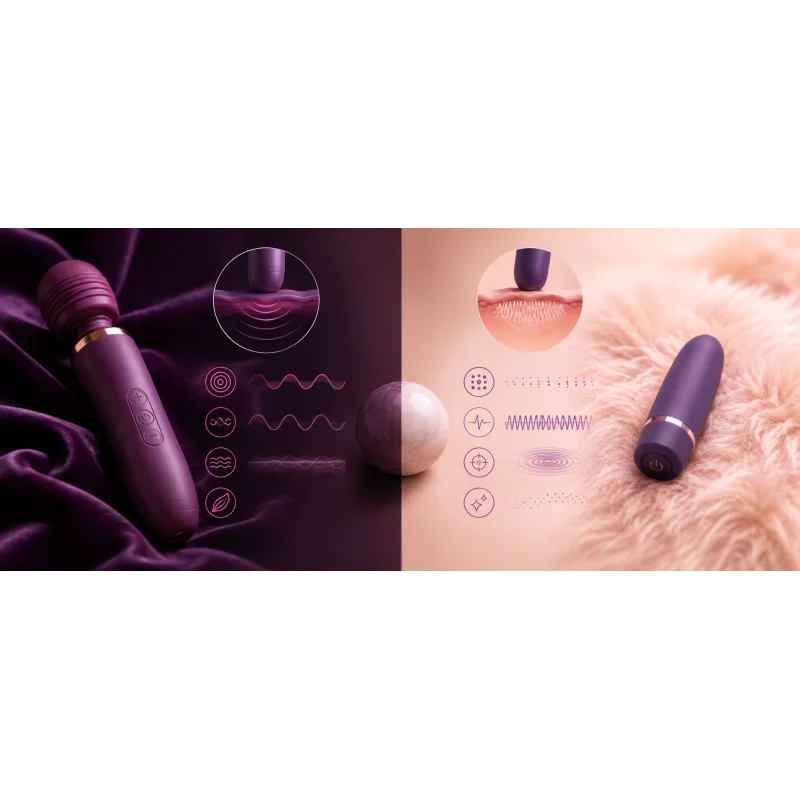
Rumbly vs Buzzy Vibrations: A Guide for Beginners
Exploring rumbly vs buzzy vibrations in sex toys can enhance your intimate experience. Learn how different vibrations feel, how to choose the right products and what factors affect sensation. This beginner's guide offers practical advice on selecting toys based on your personal preference and sensitivity.
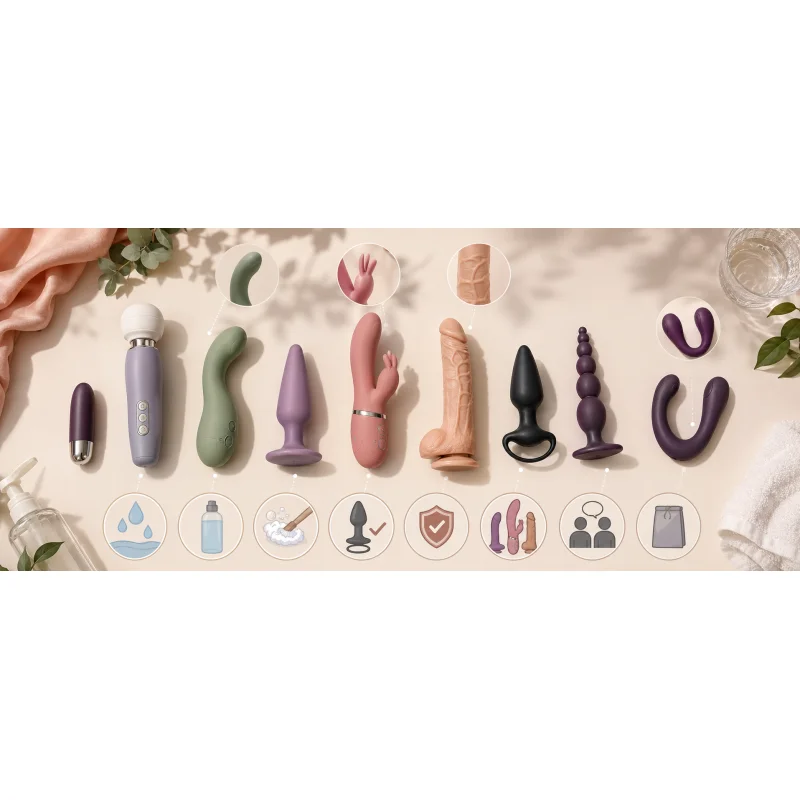
Sex Toy Shapes: The Complete Guide for Beginners
Exploring sex toy shapes can be a delightful journey for beginners. Understanding how shape affects stimulation, comfort and use is key to finding the perfect match for your desires.
Join Our Newsletter
Get the latest tips and exclusive offers.