
Feeling Good in Your Body - A Realistic Guide to Confidence, Communication, and Pleasure
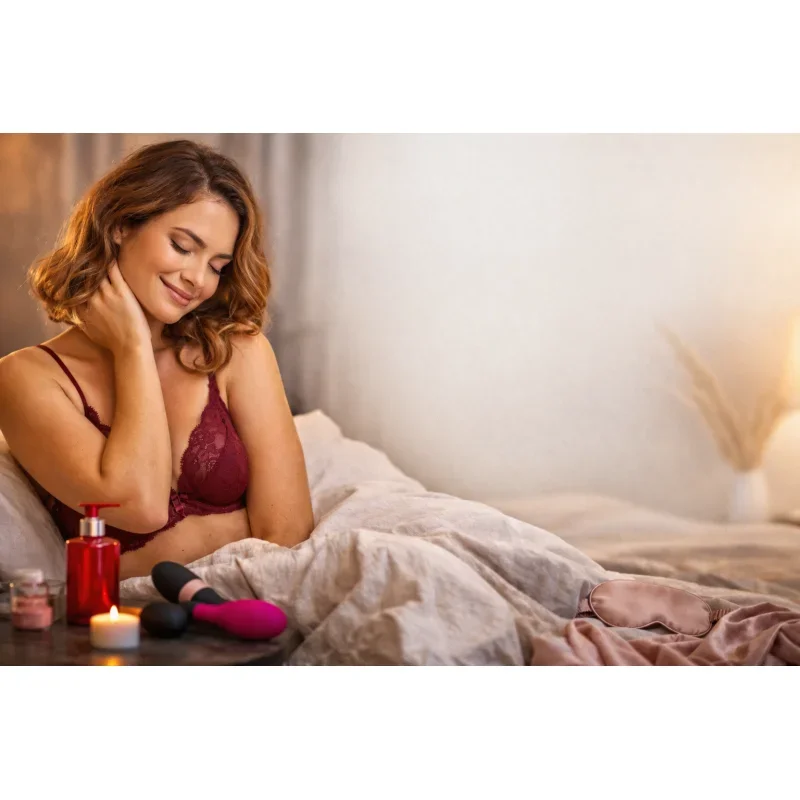
Body confidence is often misunderstood. Many people assume it means always feeling sexy, always being self-assured, or never having insecurities. In reality, body confidence is something much more grounded. It is the ability to feel at home in your body, to treat yourself with less criticism, and to allow intimacy to feel more natural instead of stressful.
For many adults, confidence does not disappear because of a lack of attraction or desire. It often gets blocked by pressure. Pressure to look a certain way, move a certain way, react a certain way, or live up to an image that does not reflect real life. The truth is that intimacy becomes much more satisfying when it is based on comfort, communication, and self-awareness rather than performance.
Confidence does not begin with perfection
There is no single “right” body for intimacy, pleasure, or attraction. Real confidence usually begins when people stop chasing perfection and start paying attention to what helps them feel relaxed, safe, and present.
That may mean wearing something that makes you feel good. It may mean dim lighting, a slower pace, or taking more time to connect with yourself before sharing intimacy with someone else. For others, it may mean learning to focus less on how their body looks and more on how it feels.
This shift matters. When you are constantly observing yourself from the outside, it becomes difficult to stay connected to the moment. But when you start listening to your own comfort, reactions, and preferences, intimacy can feel more genuine and less pressured.
The hidden effect of unrealistic expectations
Many insecurities are shaped by unrealistic standards. Social media, heavily edited images, and polished online content can quietly create the feeling that confidence should look effortless. In reality, most people have moments of doubt, self-consciousness, or hesitation.
This does not mean confidence is out of reach. It simply means it grows through repetition, kindness toward yourself, and realistic expectations. You do not need to feel amazing every day in order to build a healthier relationship with your body. Even small changes in how you speak to yourself can make a difference.
Instead of focusing on what your body should look like, try focusing on what supports your comfort. Rest, privacy, good communication, and a calm environment often do more for confidence than trying to force a certain mindset.
Why communication supports body confidence
Body confidence is not only personal. It is also relational. The way a partner responds to you can affect how safe and relaxed you feel. That is why communication matters so much.
Talking openly about comfort, boundaries, pace, and preferences helps reduce uncertainty. It also creates room for reassurance. A simple conversation can help remove pressure and replace guesswork with trust.
This does not need to be overly formal. It can be as simple as saying what helps you feel more at ease, what you enjoy, or what you would like to explore more slowly. Confidence grows when intimacy feels collaborative instead of performative.
Pleasure starts with self-understanding
A big part of sex education is learning that pleasure is not something people are supposed to magically understand without experience or self-awareness. Many adults benefit from taking time to learn their own responses, preferences, and limits without judgment.
That kind of self-understanding can make intimacy feel less intimidating. It can also make communication easier, because it is easier to express what you want when you are more familiar with your own body.
For some people, solo exploration can be a helpful way to build comfort and reduce pressure. Others may prefer to begin with gentle routines that help them relax, such as taking more time, using massage products, or choosing products designed for a softer and more approachable experience.
Small things that can help you feel more comfortable
Confidence often grows through practical details rather than dramatic changes. Sometimes the most helpful things are also the simplest.
Creating a private and calm setting can help you feel less distracted. Using a quality lubricant can improve comfort and reduce tension. Choosing beginner-friendly or more discreet products can make exploration feel less overwhelming. Even allowing yourself to slow down can change the experience completely.
These choices are not about fixing anything. They are about supporting comfort and making intimacy feel more personal, relaxed, and enjoyable.
There is no deadline for confidence
One of the most important things to remember is that body confidence is not something you either have or do not have. It is something that can grow over time.
Some days will feel easier than others. Some moments will feel natural, while others may bring hesitation. That is normal. Progress does not require perfection. It only requires patience, honesty, and a little more compassion toward yourself.
The goal is not to become someone without insecurity. The goal is to feel more connected to yourself, more informed about your needs, and more able to enjoy intimacy without unnecessary pressure.
Confidence becomes much more realistic when it is no longer tied to appearance alone. It becomes something deeper - a sense of trust in your body, your boundaries, and your right to experience pleasure in a way that feels good for you.
A more positive way forward
Sex education and body confidence belong together because both are ultimately about understanding yourself better. The more people learn about comfort, consent, communication, and self-acceptance, the easier it becomes to approach intimacy with less shame and more clarity.
Feeling good in your body does not mean becoming perfect. It means giving yourself permission to be human, to learn, and to explore at your own pace.
And that is often where real confidence begins.
Related Articles

Body Neutrality and Sex: You Don't Have to Love Every Part of Your Body
Sexual confidence does not require loving every inch of your body. Body neutrality offers a calmer way to approach appearance, intimacy and pleasure.

Responsive vs Spontaneous Desire: Why We Don't All Want Sex the Same Way
Sexual desire does not always appear out of nowhere. Learn the difference between spontaneous and responsive desire and why both can be completely normal.

Penis Extenders: How to Choose the Right One for You
Penis extenders can temporarily add length and girth during use, but different designs offer very different sensations and fits. Learn what to consider and compare Elite Uncut, Tenacity and Thrive.
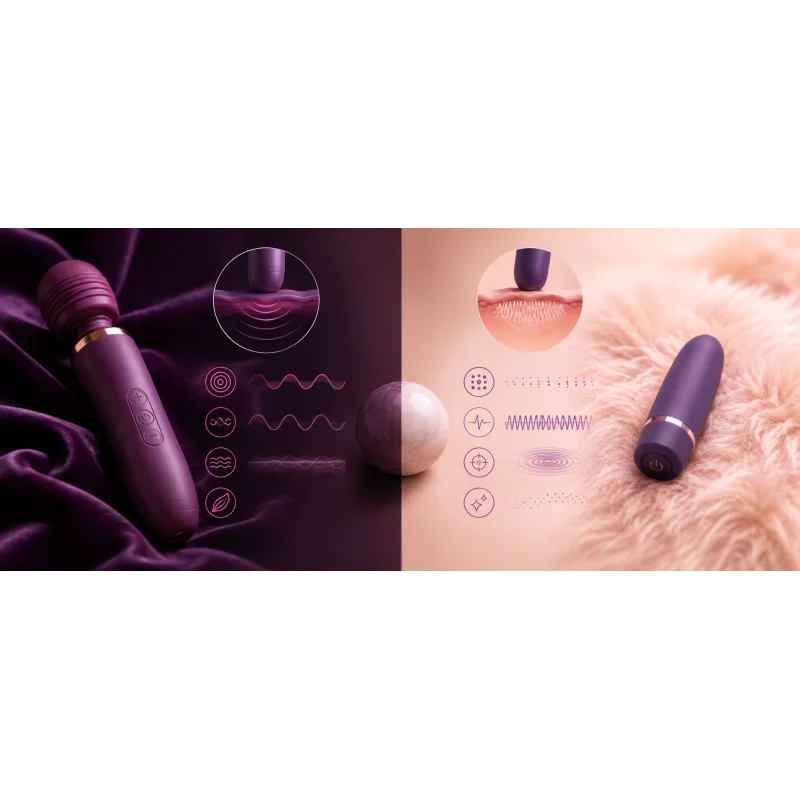
Rumbly vs Buzzy Vibrations: A Guide for Beginners
Exploring rumbly vs buzzy vibrations in sex toys can enhance your intimate experience. Learn how different vibrations feel, how to choose the right products and what factors affect sensation. This beginner's guide offers practical advice on selecting toys based on your personal preference and sensitivity.
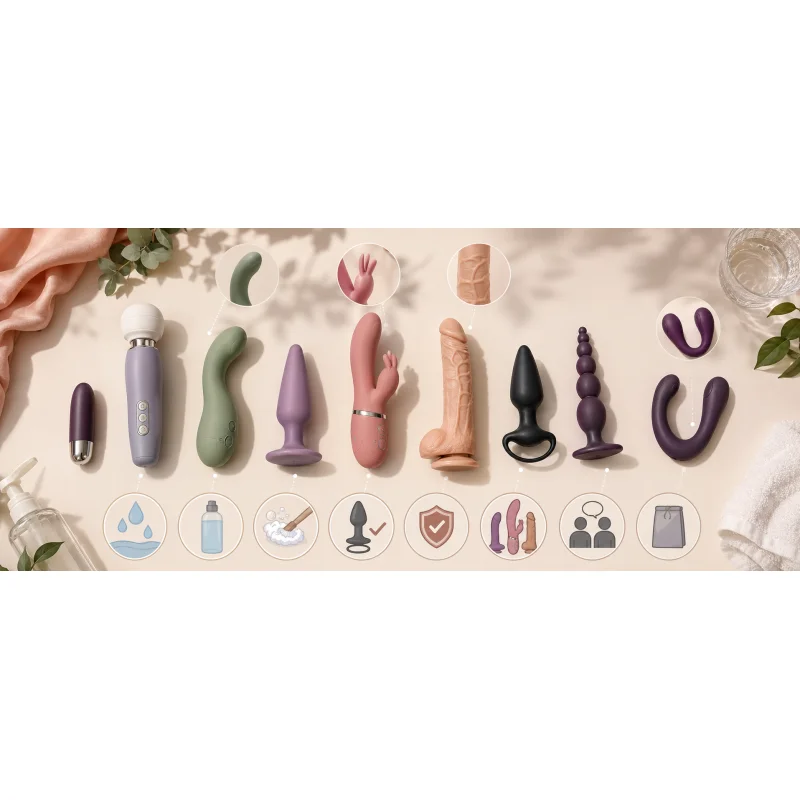
Sex Toy Shapes: The Complete Guide for Beginners
Exploring sex toy shapes can be a delightful journey for beginners. Understanding how shape affects stimulation, comfort and use is key to finding the perfect match for your desires.
Join Our Newsletter
Get the latest tips and exclusive offers.