
Erogenous Zones: How Many Are There and Why They Matter

Erogenous Zones: How Many Are There and Why They Matter
When people ask how many erogenous zones there are, the answer is not as simple as one exact number. Some guides list 10, others mention more than 30 and many experts agree that almost any part of the body can become sensitive to pleasure depending on the person, the moment and the type of touch.
An erogenous zone is any area of the body that can create sensual pleasure or arousal when stimulated. These areas are usually sensitive because they contain many nerve endings or because they are strongly connected to emotion, anticipation and personal preference.
The most important thing to remember is that erogenous zones are not the same for everyone. What feels exciting for one person may feel neutral or even uncomfortable for another. That is why communication, consent and patience are essential when exploring the body.
Primary and Secondary Erogenous Zones
Erogenous zones are often divided into two main categories: primary and secondary.
Primary erogenous zones are the areas most directly connected with sexual pleasure. These usually include the genitals, clitoris, vulva, penis, testicles, perineum, anus, nipples and chest. These zones tend to be more sensitive because they contain a high concentration of nerve endings.
Secondary erogenous zones are areas that may not be directly sexual but can still feel pleasurable when touched in the right context. These can include the neck, ears, lips, inner thighs, lower back, stomach, hands, wrists, scalp, shoulders and feet.
This does not mean that every person enjoys stimulation in all these areas. The body is personal. Pleasure depends on comfort, emotional connection, relaxation and the way touch is introduced.
The Most Common Erogenous Zones
1. Lips and Mouth
The lips are highly sensitive and play a major role in intimacy. Kissing, soft pressure and slow movement can build anticipation and emotional connection before more direct touch begins.
2. Neck
The neck is one of the most commonly mentioned erogenous zones. It is delicate, exposed and often responsive to gentle kisses, warm breath or light touch.
3. Ears
The ears and earlobes can be surprisingly sensitive. Soft touch around this area can create a strong sensual response for some people because the skin is thin and highly responsive.
4. Scalp and Hairline
The scalp is full of nerve endings. Gentle massage, slow fingers through the hair or light pressure near the hairline can help the body relax and become more receptive to pleasure.
5. Chest and Nipples
The chest and nipples can be highly sensitive for many people regardless of gender. Some enjoy soft touch while others prefer firmer pressure. This area requires careful communication because sensitivity can vary a lot.
6. Inner Arms and Wrists
The skin on the inner arms and wrists is softer and more delicate than many other parts of the body. Light touch in these areas can feel intimate without being too direct.
7. Hands and Fingers
Hands are often overlooked but they are deeply connected to touch, closeness and anticipation. Holding hands, tracing the fingers or massaging the palms can create a feeling of connection and comfort.
8. Stomach and Lower Abdomen
The stomach and lower abdomen can be sensitive because they are close to the pelvic area. Slow touch here can build anticipation without moving too quickly toward more direct stimulation.
9. Lower Back
The lower back is a common sensual zone because it combines relaxation and closeness. Massage in this area can reduce tension and help the body feel more present.
10. Buttocks
The buttocks can respond to pressure, massage or touch because the area contains muscles and nerve pathways connected to the pelvis. Comfort and consent are especially important here.
11. Inner Thighs
The inner thighs are often sensitive because they are close to the genital area without being directly sexual. Touch here can create anticipation and increase body awareness.
12. Genital Area
For most people, the genital area is one of the strongest erogenous zones. This includes the vulva, clitoris, labia, vagina, penis, testicles, perineum and surrounding pelvic area. The level of sensitivity can vary greatly so communication is essential.
13. Perineum
The perineum is the area between the genitals and the anus. It can be highly sensitive for many people because of its nerve endings and connection to the pelvic floor.
14. Feet and Ankles
Some people find the feet, ankles or soles sensitive to massage or light touch. Others may not enjoy this area at all. Like every erogenous zone, it depends on personal preference.
Why There Is No Exact Number
There is no universal number of erogenous zones because pleasure is not only anatomical. It is also psychological and emotional.
A person’s response can change depending on mood, stress, confidence, trust, hormones, previous experiences and the environment. A touch that feels exciting one day may feel too intense or distracting another day.
That is why the best way to understand erogenous zones is not to memorize a list but to explore the body with curiosity and respect.
The Brain: The Most Powerful Erogenous Zone
Although we usually think of erogenous zones as physical areas, the brain plays a major role in pleasure. Desire, imagination, emotional safety and anticipation all influence how the body responds.
When someone feels relaxed, respected and desired, the body is more likely to respond positively to touch. When someone feels pressured, stressed or disconnected, even normally sensitive areas may not feel pleasurable.
This is why intimacy is not only about technique. It is also about presence, communication and emotional comfort.
How to Explore Erogenous Zones Safely
Exploring erogenous zones should always feel comfortable and consensual. Start slowly and pay attention to body language, breathing and verbal feedback.
A good approach is to ask simple questions such as:
“What feels good?”
“Do you prefer softer or firmer touch?”
“Would you like me to continue?”
“Is this comfortable?”
These questions do not ruin the mood. They create trust and make the experience more personal.
It is also helpful to avoid rushing. Many secondary erogenous zones respond better to slow attention, gentle pressure and gradual build-up rather than immediate intensity.
Final Thoughts
So, how many erogenous zones are there? There is no exact number. More than 30 areas of the body are commonly discussed as erogenous zones but the real answer is personal.
Every body is different. The best way to discover what feels good is through communication, patience and curiosity. Erogenous zones are not a fixed map. They are an invitation to understand the body with more confidence, respect and pleasure.
Related Articles

Body Neutrality and Sex: You Don't Have to Love Every Part of Your Body
Sexual confidence does not require loving every inch of your body. Body neutrality offers a calmer way to approach appearance, intimacy and pleasure.

Responsive vs Spontaneous Desire: Why We Don't All Want Sex the Same Way
Sexual desire does not always appear out of nowhere. Learn the difference between spontaneous and responsive desire and why both can be completely normal.

Penis Extenders: How to Choose the Right One for You
Penis extenders can temporarily add length and girth during use, but different designs offer very different sensations and fits. Learn what to consider and compare Elite Uncut, Tenacity and Thrive.
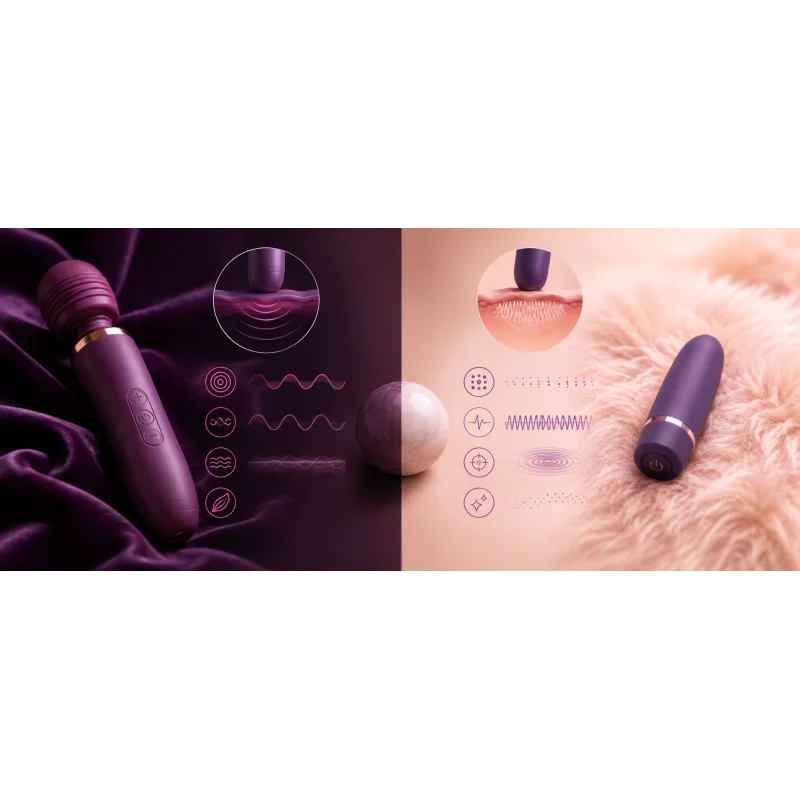
Rumbly vs Buzzy Vibrations: A Guide for Beginners
Exploring rumbly vs buzzy vibrations in sex toys can enhance your intimate experience. Learn how different vibrations feel, how to choose the right products and what factors affect sensation. This beginner's guide offers practical advice on selecting toys based on your personal preference and sensitivity.
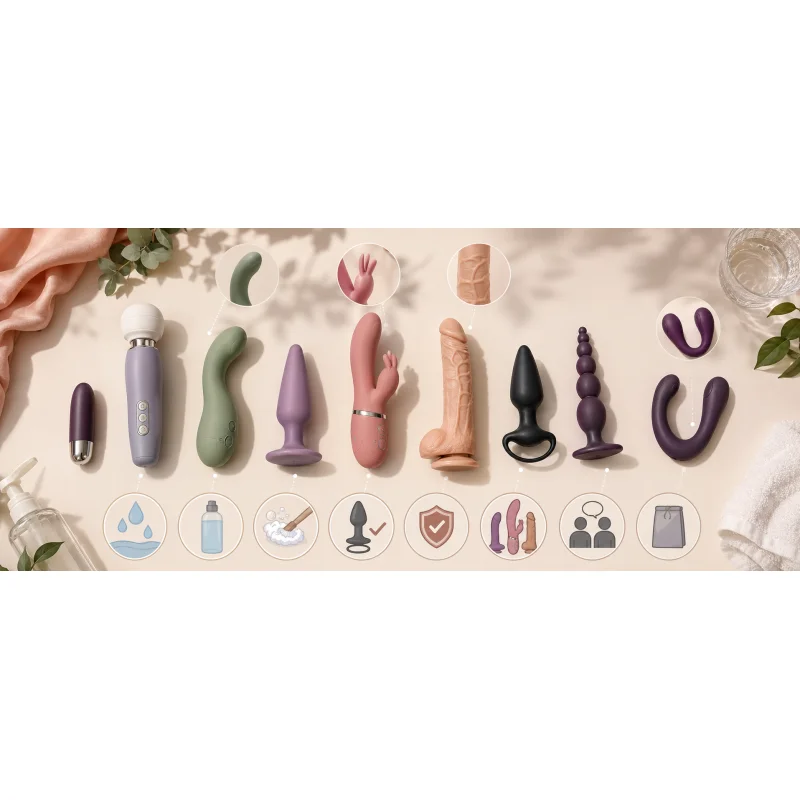
Sex Toy Shapes: The Complete Guide for Beginners
Exploring sex toy shapes can be a delightful journey for beginners. Understanding how shape affects stimulation, comfort and use is key to finding the perfect match for your desires.
Join Our Newsletter
Get the latest tips and exclusive offers.