
The "Sex Recession" and the Intimacy Crisis - How Couples Rebuild Connection in 2026

Why this is trending again
Recent reporting has highlighted a long-running decline in sexual frequency for many adults - especially younger cohorts - and a broader sense of disconnection.
Kinsey Institute researcher Justin Garcia frames it as an intimacy crisis: not just “less sex,” but less know-how, less time, and fewer conditions that help people feel secure enough for closeness.
The good news: intimacy is a skillset. You can rebuild it.
1) Desire discrepancy is normal (and extremely common)
Mismatch in libido is one of the most common relationship issues, and there’s no single “healthy” frequency everyone must hit.
Pressure tends to make desire worse. Collaboration tends to make it better.
2) Spontaneous vs responsive desire: the reframe that helps
Some people feel desire “out of the blue.” Others experience responsive desire - it shows up after the right context: relaxation, affection, play, safety.
If you’re waiting for a lightning bolt, you might miss how desire actually works for you.
3) The weekly 20-minute reset (no awkward scripts)
Once a week, outside the bedroom:
What felt connecting this week (emotionally or physically)?
What drained me or made intimacy harder?
What small thing can we try next week?
Many experts emphasize that the real target is often feeling safe and connected, not “more sex at all costs.”
4) Build an “intimacy menu” to remove pressure
Create three lists together:
Yes list: kissing, cuddling, massage, shower, playful touch.
Maybe list: something new, with clear boundaries.
Not now list: anything that triggers pressure or shutdown.
This widens your definition of intimacy, lowers performance anxiety, and makes room for desire to return.
5) The 3 biggest modern desire-killers (and quick fixes)
Exhaustion and mental load
Screens before bed
No “role-free” time together
These show up repeatedly in conversations about the sex recession and intimacy skills.
Related Articles

Body Neutrality and Sex: You Don't Have to Love Every Part of Your Body
Sexual confidence does not require loving every inch of your body. Body neutrality offers a calmer way to approach appearance, intimacy and pleasure.

Responsive vs Spontaneous Desire: Why We Don't All Want Sex the Same Way
Sexual desire does not always appear out of nowhere. Learn the difference between spontaneous and responsive desire and why both can be completely normal.

Penis Extenders: How to Choose the Right One for You
Penis extenders can temporarily add length and girth during use, but different designs offer very different sensations and fits. Learn what to consider and compare Elite Uncut, Tenacity and Thrive.

Rumbly vs Buzzy Vibrations: A Guide for Beginners
Exploring rumbly vs buzzy vibrations in sex toys can enhance your intimate experience. Learn how different vibrations feel, how to choose the right products and what factors affect sensation. This beginner's guide offers practical advice on selecting toys based on your personal preference and sensitivity.
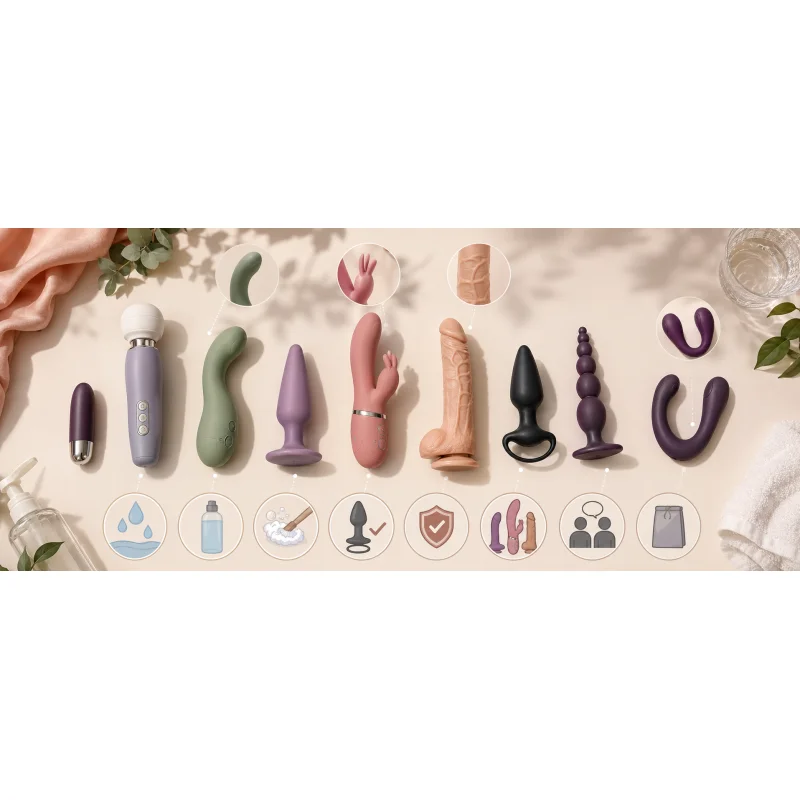
Sex Toy Shapes: The Complete Guide for Beginners
Exploring sex toy shapes can be a delightful journey for beginners. Understanding how shape affects stimulation, comfort and use is key to finding the perfect match for your desires.
Join Our Newsletter
Get the latest tips and exclusive offers.