
Condom Size Guide - How to Find the Right Fit
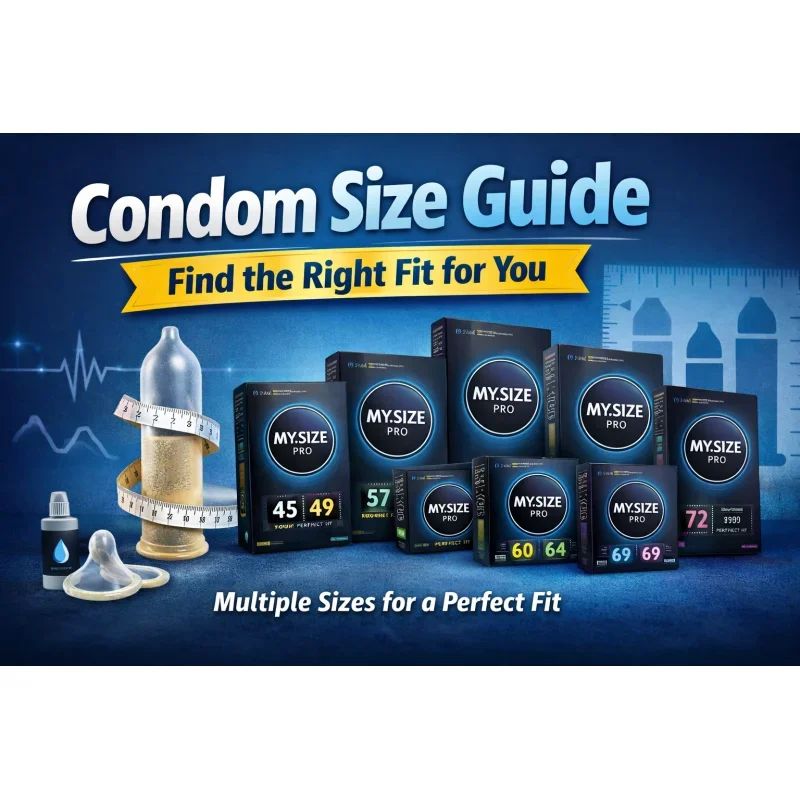
Choosing a condom is not just a matter of preference. The right fit affects comfort, stability, and the overall experience. A condom that feels too loose may move more easily during use, while one that feels too tight can create pressure and discomfort. That is why modern condom guidance places more emphasis on fit - especially width and circumference - rather than only general labels such as regular or large.
Why the right size matters
Many people focus only on the wording on the box, but what really matters is how the condom fits the body. When the fit is right, the experience usually feels more secure, more comfortable, and more natural. When the fit is wrong, both comfort and ease of use can be affected.
Circumference matters more than most people think
In practice, the most useful measurement is often not length, but circumference - the measurement around the widest part of the penis when fully erect. This is one of the main factors that influences fit, because it helps determine whether the condom will stay in place comfortably without slipping or feeling overly restrictive.
How to measure correctly
Measurement should be taken when fully erect. Use a flexible tape measure or a dedicated measuring guide and wrap it around the widest part. That result gives you a practical starting point when choosing width. MY.SIZE’s own measuring guidance also presents the first result as an initial recommendation, with nearby sizes worth trying until you find the most comfortable fit.
What the mm on the box actually means
Numbers such as 45 mm, 53 mm, 57 mm, or 64 mm are not just technical details. They are one of the clearest ways to understand how a condom is designed to fit. This is why product ranges that offer several width options are often more useful than a simple regular or large label, because they allow for a more targeted choice.
How to tell if you need a different fit
If a condom slips, shifts too easily, or does not feel secure, you may need a narrower fit. If it feels overly tight, uncomfortable, or restrictive, you may need a wider option. The goal is not to guess a size, but to find the fit that works properly for your body and feels more natural in use.
A more practical way to choose
If you have only ever bought standard condoms, it may be worth taking a more practical approach. Start with your measurement, look at the width that seems closest, and then test one nearby size up or down if needed. Sometimes even a small difference in millimeters can noticeably change the fit and overall comfort.
Why MY.SIZE PRO is a useful example
This is where a range like MY.SIZE PRO becomes especially relevant. Instead of limiting users to only one or two broad categories, your store currently carries multiple width options across the MY.SIZE PRO line, including sizes from 45 mm up to 72 mm. The brand page on your shop currently shows options such as 45, 49, 57, 60, 64, 69, and 72 mm, which makes the range a strong example of size-focused fit rather than generic sizing labels.
The MY.SIZE PRO listings in your store also currently show different pack formats, including 1, 3, 10, and 36 pieces, which is useful both for first-time testing and for customers who already know their preferred fit. Several of those listings also describe features such as Vytex Latex, 0.05-0.06 mm thickness, a lubricated surface, a reservoir tip, and in many cases a vegan or skin-friendly / hypoallergenic positioning.
Why that helps in a blog article too
A condom size guide becomes more useful when it does not stay purely theoretical. Referring to a range like MY.SIZE PRO gives readers a practical example of how fit works in the real market: narrower options for a snugger feel, more standard widths for a balanced fit, and wider options for those who need more room and comfort without unnecessary pressure.
Do not forget the lubricant
Even the right size can feel less comfortable if lubrication is not suitable. For latex condoms, official CDC guidance recommends water-based or silicone-based lubricants and advises against oil-based products, because oils can weaken latex and increase the risk of breakage.
Conclusion
The right condom size is not about labels or impressions. It is about proper fit. Start with circumference, pay attention to the mm shown on the packaging, and think more practically about what feels secure and comfortable. If you want a more targeted approach, a range like MY.SIZE PRO clearly shows how much difference the right width can make.
Related Articles

Body Neutrality and Sex: You Don't Have to Love Every Part of Your Body
Sexual confidence does not require loving every inch of your body. Body neutrality offers a calmer way to approach appearance, intimacy and pleasure.

Responsive vs Spontaneous Desire: Why We Don't All Want Sex the Same Way
Sexual desire does not always appear out of nowhere. Learn the difference between spontaneous and responsive desire and why both can be completely normal.

Penis Extenders: How to Choose the Right One for You
Penis extenders can temporarily add length and girth during use, but different designs offer very different sensations and fits. Learn what to consider and compare Elite Uncut, Tenacity and Thrive.
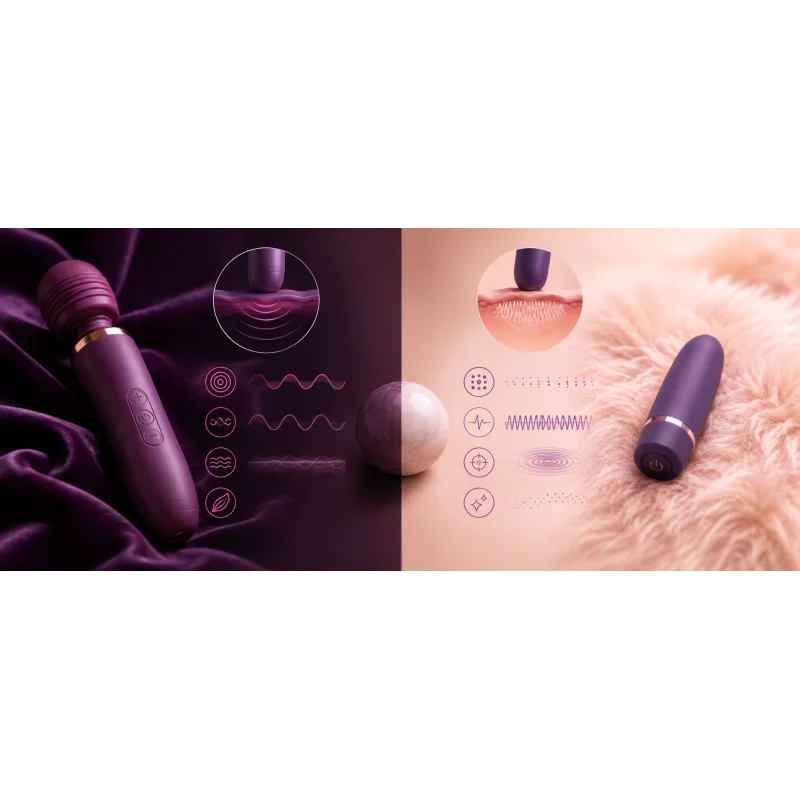
Rumbly vs Buzzy Vibrations: A Guide for Beginners
Exploring rumbly vs buzzy vibrations in sex toys can enhance your intimate experience. Learn how different vibrations feel, how to choose the right products and what factors affect sensation. This beginner's guide offers practical advice on selecting toys based on your personal preference and sensitivity.
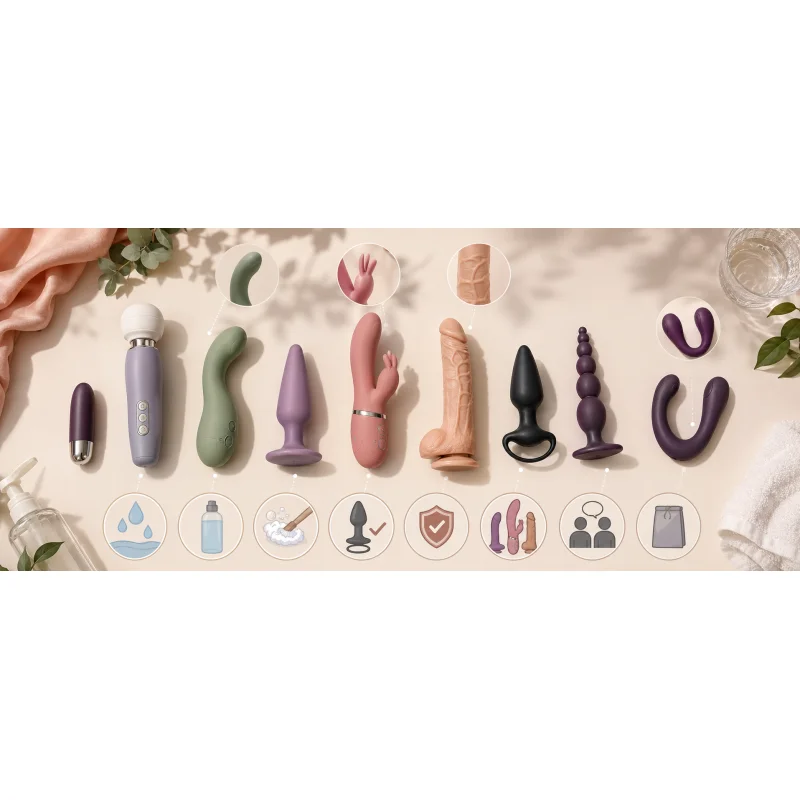
Sex Toy Shapes: The Complete Guide for Beginners
Exploring sex toy shapes can be a delightful journey for beginners. Understanding how shape affects stimulation, comfort and use is key to finding the perfect match for your desires.
Join Our Newsletter
Get the latest tips and exclusive offers.