
Menopause 2.0: Pleasure Without Pressure - A Comfort-First Guide

If it feels like menopause is suddenly everywhere, you’re not imagining it. In 2026, women’s health innovation is shifting fast, with menopause support moving from “track your symptoms” to more complete ecosystems, from education to telehealth and personalized tools.
At the same time, the wider wellness world is moving away from constant self-optimization and back toward something more human: sensation, connection, and joy. That’s exactly the energy we need for intimacy in midlife: less performance, more comfort and confidence.
This article is educational, not medical advice. If you have persistent pain, bleeding, or symptoms that worry you, speak with a healthcare professional.
1) First: nothing is “wrong” with you
Libido changes are common. So are shifts in arousal, sensitivity, and what feels good. The most helpful mindset upgrade is this:
Desire isn’t a switch - it’s a system.
Stress, sleep, body image, hormones, relationship dynamics, and daily mental load can all play a role.
Instead of chasing your “old self,” aim to build a new, comfortable baseline.
2) The comfort-first basics that actually help
When people talk about menopause and sex, they often jump to solutions too fast. Start with foundations:
Slow down the ramp-up
Longer foreplay and more gradual touch can help your body “arrive” without pressure.
Try shifting from goal-driven sex to sensation-led intimacy.
Prioritize comfort
Lubrication can be a game-changer for comfort and confidence.
If friction or burning shows up, that’s a signal to adjust pace, pressure, and product - not to “push through.”
Choose external-friendly stimulation
Many people find that external stimulation becomes more satisfying than penetration-focused sex during perimenopause/menopause. That’s normal, and it expands your options.
3) The “menopause gold rush” - how to avoid hype
Menopause is becoming a booming market, and not every trendy gadget or “miracle” claim deserves your money. Recent reporting has highlighted concerns about unverified claims and the flood of lifestyle products targeting menopausal women.
Use these quick filters before buying anything:
Avoid miracle language (“fixes hormones,” “cures dryness,” “instant libido boost”)
Prefer brands that explain materials, cleaning, and safety clearly
If it’s a supplement/medicine claim: treat it as healthcare, not shopping content
4) Smart product picks for a comfort-first pleasure routine
A) Lubricants (comfort + glide)
Look for simple formulas, especially if sensitivity is higher than before.
If you use condoms or silicone toys, confirm compatibility (many shoppers don’t know this).
B) Gentle external massagers
Recommend options with multiple intensity levels and softer contact surfaces.
Encourage “start low, build slow” - it reduces overstimulation.
C) Couple-friendly tools that reduce pressure
Anything that helps partners stay connected without “performing” can be a win: playful accessories, massage-based intimacy, gentle stimulation tools.
D) Aftercare + intimacy rituals
This is the 2026 vibe: pleasure as a ritual, not a result.
Warm shower, massage oil (non-irritating), clean sheets, no phones
A short check-in: “What felt best?” “What do you want less of?”
5) Communication scripts that feel natural
If talking about changes feels awkward, steal these lines:
“I’m noticing my body likes slower touch lately. Can we take our time?”
“Less pressure helps me enjoy it more.”
“Can we focus on what feels good today, not what we ‘should’ do?”
Small language shifts create huge safety and desire.
Closing thought
Menopause doesn’t end pleasure - it redefines it. In 2026, the trend isn’t “more intense” or “more advanced.” It’s more human: comfort, consent, and confidence.
Related Articles

Body Neutrality and Sex: You Don't Have to Love Every Part of Your Body
Sexual confidence does not require loving every inch of your body. Body neutrality offers a calmer way to approach appearance, intimacy and pleasure.

Responsive vs Spontaneous Desire: Why We Don't All Want Sex the Same Way
Sexual desire does not always appear out of nowhere. Learn the difference between spontaneous and responsive desire and why both can be completely normal.

Penis Extenders: How to Choose the Right One for You
Penis extenders can temporarily add length and girth during use, but different designs offer very different sensations and fits. Learn what to consider and compare Elite Uncut, Tenacity and Thrive.
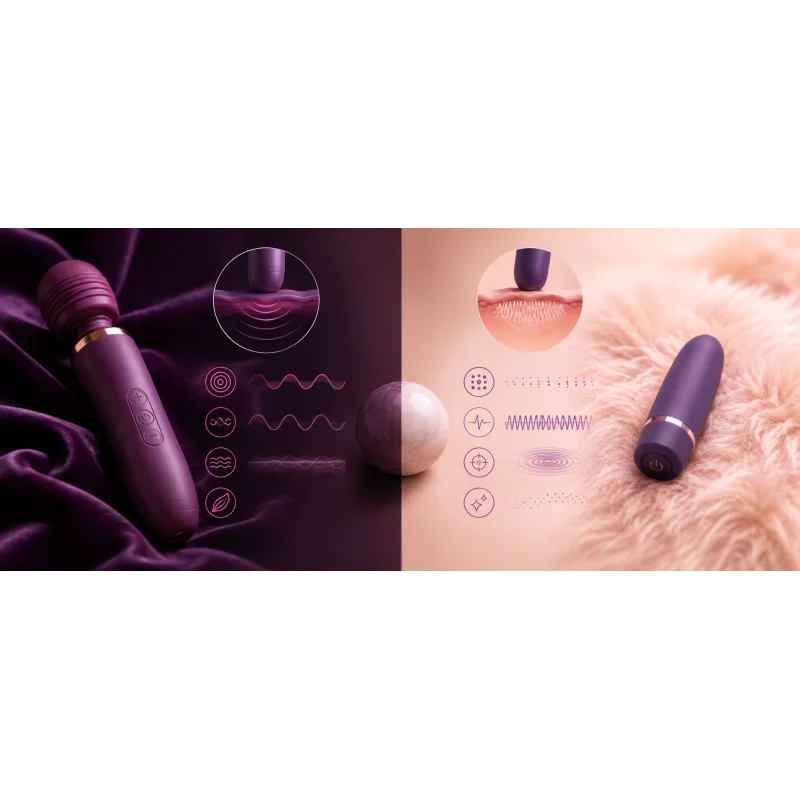
Rumbly vs Buzzy Vibrations: A Guide for Beginners
Exploring rumbly vs buzzy vibrations in sex toys can enhance your intimate experience. Learn how different vibrations feel, how to choose the right products and what factors affect sensation. This beginner's guide offers practical advice on selecting toys based on your personal preference and sensitivity.
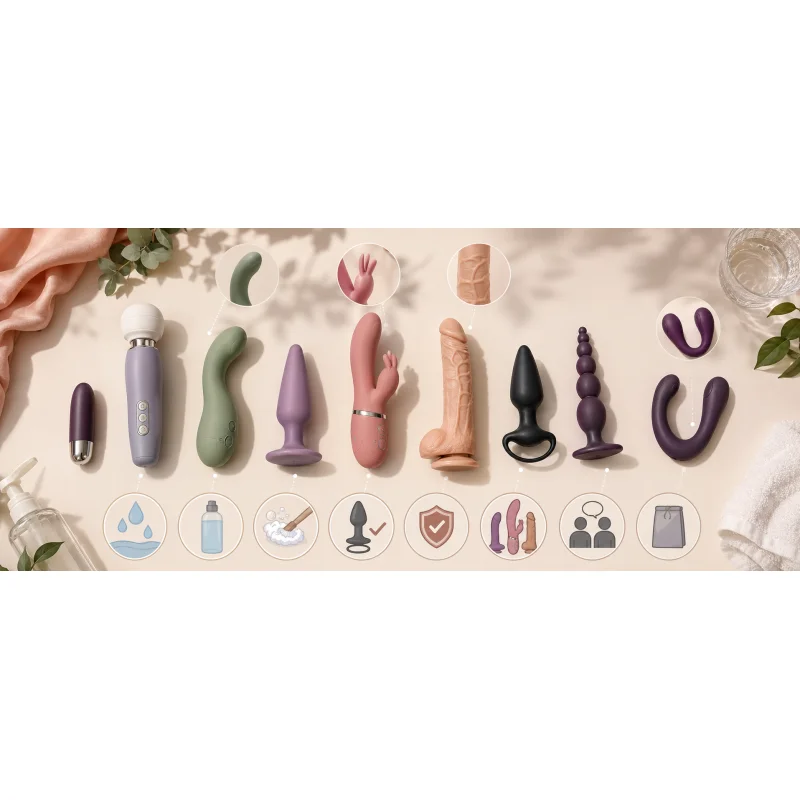
Sex Toy Shapes: The Complete Guide for Beginners
Exploring sex toy shapes can be a delightful journey for beginners. Understanding how shape affects stimulation, comfort and use is key to finding the perfect match for your desires.
Join Our Newsletter
Get the latest tips and exclusive offers.