
Yes/No/Maybe - The simplest way to talk about boundaries and desire
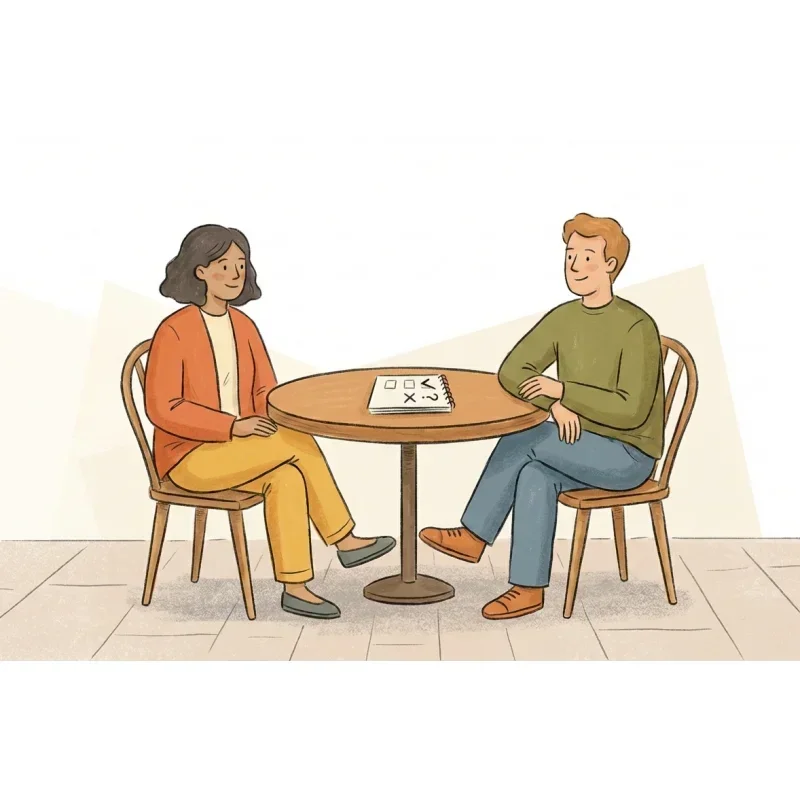
What Yes/No/Maybe is - and why it works
Yes/No/Maybe is a simple way to put words to what’s often left vague: your boundaries, your desires, and the conditions that help you feel comfortable. It sorts ideas into three buckets:
Yes: something you feel genuinely positive about.
No: something that doesn’t feel right, safe, or aligned for you.
Maybe: something you might be open to, but only with specific conditions.
The power of this method is that it makes clarity normal. Boundaries aren’t a debate - they’re information.
Why it supports body confidence
Awkwardness often isn’t about desire - it’s about how we think we’ll be perceived. Yes/No/Maybe shifts the focus from body judgment (“Am I enough?”) to self-knowledge (“What actually works for me?”).
When you can name what you want, your body relaxes - and confidence grows naturally.
How to do it in 10 minutes (no pressure)
Pick the right moment: not in the middle of intimacy. Choose a calm, everyday time.
Set a safety rule: no teasing, no guilt, no “you said this so you must…”
Write separately for 5 minutes.
Share Yes first: start with what feels easy.
Then Maybe: this is the most valuable part.
No isn’t negotiated: it’s respected.
What “Maybe” means in real life (conditions)
Maybe isn’t half a yes. It’s “yes, if…”. Common conditions include:
Pace/intensity: “Yes, if we go slowly and pause.”
Control: “Yes, if I can stop at any time without questions.”
Emotional safety: “Yes, if we have time afterward to cuddle and decompress.”
Communication: “Yes, if we use a clear pause word.”
Context: “Yes, if we’re not rushed and feel private.”
These details don’t ruin the moment. They build trust.
3 easy scripts to start the conversation
Script 1 (simple): “I want us to feel comfortable and clear. Can we try a Yes/No/Maybe for 10 minutes?”
Script 2 (warm): “I really like being close to you. Want to share 2 Yes and 1 Maybe each?”
Script 3 (new relationship): “So we don’t have to guess, can we talk boundaries and preferences? It’s not a demands list - it’s care.”
Common mistakes (and how to avoid them)
Pushing for explanations on No: you don’t owe a justification.
Taking No personally: it’s not rejection; it’s a boundary/preference.
Treating Maybe like a promise: it’s exploration, not agreement.
Using humor that creates shame: safety matters more than a joke.
Only bringing it up in the heat of the moment: arousal can blur clarity.
Ending on a connected note
Close with something supportive:
“Thanks for sharing that with me.”
“I appreciate your honesty.”
“Let’s use this as a guide, not a rulebook.”
You can revisit it in a month. People evolve - and that’s normal.
A final reminder
You don’t need to force yourself to be “okay” with something to be confident. Confidence grows when you honor your body and your truth - not when you pressure yourself to match expectations.
Related Articles

Body Neutrality and Sex: You Don't Have to Love Every Part of Your Body
Sexual confidence does not require loving every inch of your body. Body neutrality offers a calmer way to approach appearance, intimacy and pleasure.

Responsive vs Spontaneous Desire: Why We Don't All Want Sex the Same Way
Sexual desire does not always appear out of nowhere. Learn the difference between spontaneous and responsive desire and why both can be completely normal.

Penis Extenders: How to Choose the Right One for You
Penis extenders can temporarily add length and girth during use, but different designs offer very different sensations and fits. Learn what to consider and compare Elite Uncut, Tenacity and Thrive.

Rumbly vs Buzzy Vibrations: A Guide for Beginners
Exploring rumbly vs buzzy vibrations in sex toys can enhance your intimate experience. Learn how different vibrations feel, how to choose the right products and what factors affect sensation. This beginner's guide offers practical advice on selecting toys based on your personal preference and sensitivity.
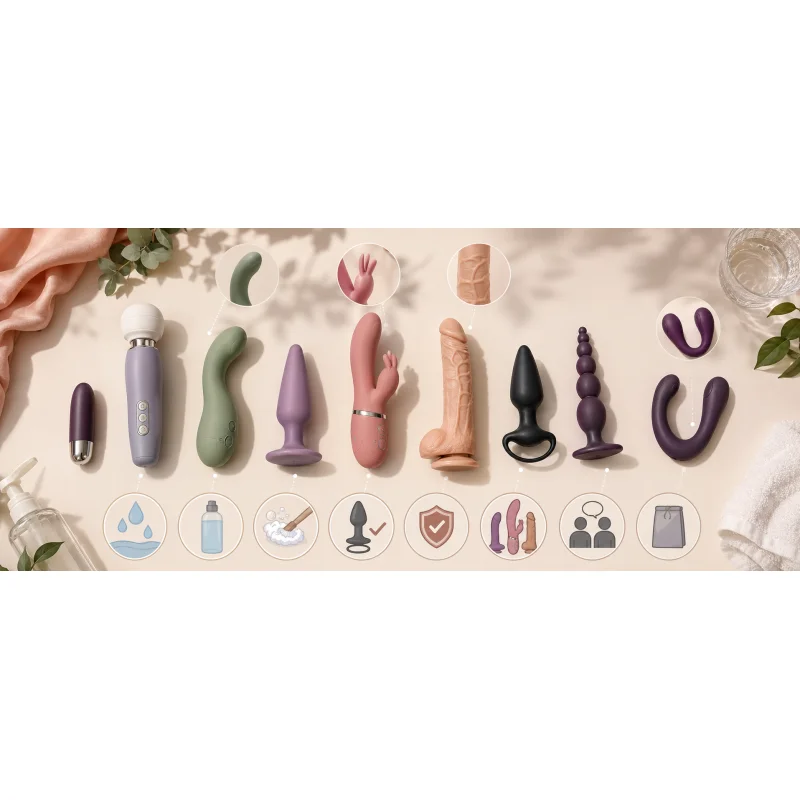
Sex Toy Shapes: The Complete Guide for Beginners
Exploring sex toy shapes can be a delightful journey for beginners. Understanding how shape affects stimulation, comfort and use is key to finding the perfect match for your desires.
Join Our Newsletter
Get the latest tips and exclusive offers.