
Remote/App-Controlled Toys: When They’re Worth It and What to Watch For

Remote/App-Controlled Toys: When They’re Worth It and What to Watch For
Remote and app-controlled toys are popular for a reason: they add surprise, playfulness, and a new way to connect. But the experience depends heavily on the details. Great products feel effortless. Weak ones feel like tech problems.
This guide helps you decide when remote/app toys are truly worth it — and what to check before you buy.
What counts as a remote/app toy?
Remote/app-controlled toys are intimate products you control either:
with a physical remote, or
with a phone app (sometimes both)
They’re often used by couples, but they also work for solo play if you enjoy hands-free control or timed sessions.
When remote/app toys are actually worth it
They shine in these situations:
1) You want shared control (without pressure)
A partner can control intensity, patterns, or timing — but the key is that it stays collaborative, not performative.
2) You enjoy playful teasing or “slow build”
Remote control is great for gradual escalation, short “check-ins,” or a longer, calmer session.
3) You want distance play (travel, long-distance)
Some apps allow control from anywhere, as long as both phones have internet access. That’s a real advantage — if the app is reliable.
4) You want hands-free convenience
Wearables or toys that stay in place can be a game changer for comfort and ease.
What to check before buying (the real checklist)
1) Control method: remote, app, or both?
Physical remote: usually simpler, fewer connection issues, great for home use.
App control: more features (patterns, custom modes), potential for distance play.
Best of both: app + remote gives you flexibility.
2) Connectivity and stability
This is the #1 reason people love or hate these toys.
Look for:
stable Bluetooth connection
quick pairing
consistent response (no lag)
a toy that works well even if the phone screen locks
3) Comfort and fit (especially for wearables)
If it’s wearable:
check shape and flexibility
ensure it can stay comfortably in place
avoid designs that require constant adjustment
4) Noise level (real-life factor)
A toy can be powerful and still discreet, but some models are noticeably louder at higher intensities. If discretion matters, prioritize quiet performance.
5) Battery and charging
App features are great, but they also demand power.
Check:
charging method (USB/magnetic)
approximate runtime
whether it keeps strong power until the end (not “weak after 20 minutes”)
6) Waterproof and cleaning
If water resistance matters to you, check the rating and cleaning guidance. Easy cleaning is a major quality-of-life factor.
7) App privacy and permissions (important)
Before buying, check:
does the app require unnecessary permissions?
is there a clear privacy policy?
can you use basic functions without creating an account?
You don’t need to be paranoid — just selective.
How to use them well as a couple
Remote play works best when you keep it simple:
Agree on boundaries first
A quick check-in is enough:
what’s okay today?
what’s off-limits?
what’s the “pause” word if you need to stop?
Keep control playful, not “testing”
Avoid making it a performance. The goal is comfort + connection.
Start with low intensity
New sensations feel better when you build up gradually.
Troubleshooting: avoid common disappointments
If you want fewer “tech moments,” prioritize:
reputable brands
clear instructions
a reliable remote option
simple controls over “hundreds of modes”
Sometimes fewer features = better experience.
A simple buying decision
Choose a remote/app toy if you want:
connection, teasing, shared control
hands-free convenience
long-distance play (with a strong app)
Skip it if you want:
“zero tech”
instant simplicity
a toy you never want to pair with a phone
Conclusion
Remote/app toys can be genuinely worth it — when the basics are right: comfort, stability, discretion, and a safe, confident dynamic. If you choose with those priorities, the result feels effortless and fun.
Related Articles

Body Neutrality and Sex: You Don't Have to Love Every Part of Your Body
Sexual confidence does not require loving every inch of your body. Body neutrality offers a calmer way to approach appearance, intimacy and pleasure.

Responsive vs Spontaneous Desire: Why We Don't All Want Sex the Same Way
Sexual desire does not always appear out of nowhere. Learn the difference between spontaneous and responsive desire and why both can be completely normal.

Penis Extenders: How to Choose the Right One for You
Penis extenders can temporarily add length and girth during use, but different designs offer very different sensations and fits. Learn what to consider and compare Elite Uncut, Tenacity and Thrive.

Rumbly vs Buzzy Vibrations: A Guide for Beginners
Exploring rumbly vs buzzy vibrations in sex toys can enhance your intimate experience. Learn how different vibrations feel, how to choose the right products and what factors affect sensation. This beginner's guide offers practical advice on selecting toys based on your personal preference and sensitivity.
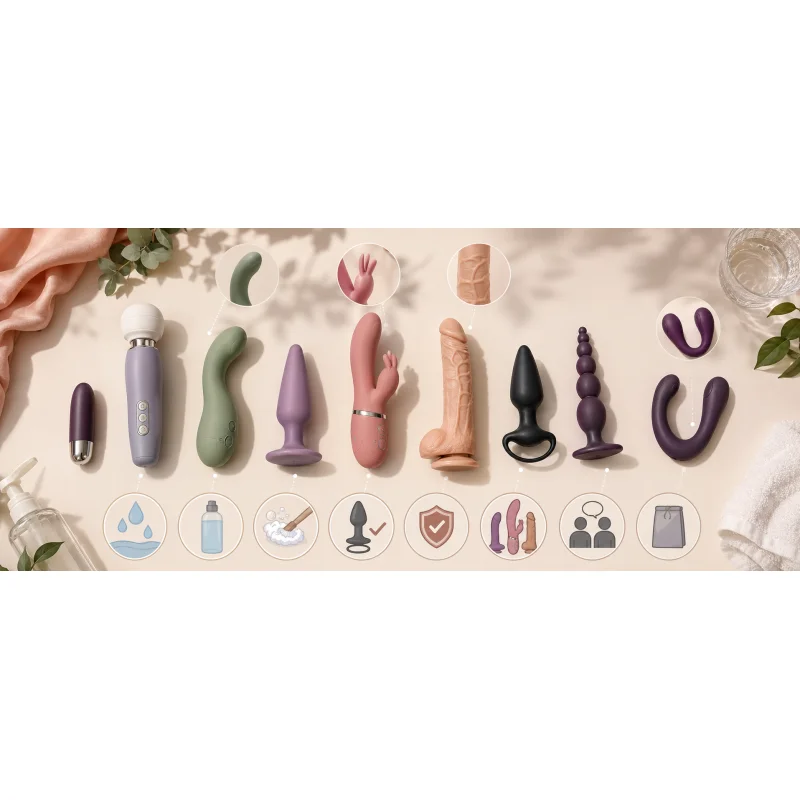
Sex Toy Shapes: The Complete Guide for Beginners
Exploring sex toy shapes can be a delightful journey for beginners. Understanding how shape affects stimulation, comfort and use is key to finding the perfect match for your desires.
Join Our Newsletter
Get the latest tips and exclusive offers.