
Pleasure Myths: What’s True (and What Actually Helps)

Pleasure Myths: What’s True (and What Actually Helps)
When it comes to pleasure, most people are not lacking “ability” — they’re carrying misinformation. Myths about desire, orgasms, bodies, and performance can quietly create pressure, comparison, and self-doubt. The truth is simpler and far more freeing: pleasure is personal, flexible, and learnable.
This guide clears up the most common myths — with practical truths that support both sex education and body confidence.
Myth 1: “There’s a ‘normal’ way to enjoy sex.”
What’s true: “Normal” is a wide range. People differ in what feels good, how long it takes to warm up, what turns them on, and how often they want intimacy. Comparing yourself to someone else’s timeline or preferences is the fastest way to disconnect from your own experience.
What helps: Replace “normal” with “what works for me/us right now.”
Myth 2: “Desire should be spontaneous — otherwise something is wrong.”
What’s true: Desire often comes in different styles. For many adults, desire is responsive: it appears after comfort, connection, touch, relaxation, or a supportive mood — not out of nowhere.
What helps: Think of desire as a process, not a test. Create conditions that make “yes” easier (privacy, time, low stress, emotional safety).
Myth 3: “If it’s right, orgasms should be easy and fast.”
What’s true: Orgasms vary widely, and “fast” is not a quality measure. Stress, fatigue, medication, hormones, self-consciousness, or pressure can all affect arousal and climax. Even in healthy relationships, experiences fluctuate.
What helps: Focus on sensation and connection, not a finish line. Pleasure can be meaningful even without orgasm.
Myth 4: “Lubricant means your body isn’t working.”
What’s true: Lubricant is normal, useful, and often improves comfort and sensation. A body can be fully aroused and still benefit from lubrication — especially with stress, different cycles, condoms, or longer sessions.
What helps: Treat lubricant as a comfort tool, not a diagnosis. If you experience persistent discomfort or pain, a healthcare professional can help rule out underlying issues.
Myth 5: “Pain is just part of it — you should push through.”
What’s true: Discomfort is a signal, not a requirement. Pain can be linked to tension, rushing, lack of lubrication, anxiety, or medical factors. “Pushing through” often reinforces fear and tightness.
What helps: Slow down, adjust, add comfort, and prioritize consent. If pain is recurring, it’s worth discussing with a qualified clinician.
Myth 6: “Communication kills the mood.”
What’s true: Good communication creates safety, and safety is one of the strongest foundations for pleasure. You don’t need a formal “meeting” — you need simple, kind clarity.
What helps: Use small phrases in the moment:
“Softer / slower / like that.”
“Can we try something different?”
“Yes, keep going.”
“Pause a second.”
Myth 7: “A partner (or a toy) should ‘just know’ what you want.”
What’s true: Pleasure isn’t mind-reading — it’s learning. Bodies change across time, stress levels, confidence, and life stages. Expecting perfect instinct creates performance pressure on both sides.
What helps: Treat pleasure as collaboration. Curiosity beats perfection every time.
Myth 8: “Sex toys replace partners.”
What’s true: Toys don’t replace intimacy — they can enhance it. They’re tools for sensation, variety, and exploration. In relationships, they often reduce pressure by expanding options and helping partners learn what works.
What helps: Frame toys as “shared tools,” not competition. A helpful mindset is: “This supports us.”
Myth 9: “Confidence comes after you look a certain way.”
What’s true: Body confidence often grows from how you relate to your body, not how you judge it. Feeling safe, respected, and unpressured makes a bigger difference than chasing a perfect image.
What helps: Shift the goal from “looking” to “feeling.” Comfort, lighting, pace, and self-kindness matter.
Myth 10: “Porn is sex education.”
What’s true: Porn is entertainment — not a realistic guide to bodies, consent, pace, or communication. Taking it as instruction can create false expectations and unnecessary anxiety.
What helps: Choose education that normalizes real variation and prioritizes consent, comfort, and connection.
A healthier definition of pleasure
Pleasure is not a performance. It’s feedback. It’s learning. It’s permission to be human — with changing desires, changing bodies, and changing needs.
If you want one principle to remember, make it this:
Replace pressure with curiosity.
Related Articles

Body Neutrality and Sex: You Don't Have to Love Every Part of Your Body
Sexual confidence does not require loving every inch of your body. Body neutrality offers a calmer way to approach appearance, intimacy and pleasure.

Responsive vs Spontaneous Desire: Why We Don't All Want Sex the Same Way
Sexual desire does not always appear out of nowhere. Learn the difference between spontaneous and responsive desire and why both can be completely normal.

Penis Extenders: How to Choose the Right One for You
Penis extenders can temporarily add length and girth during use, but different designs offer very different sensations and fits. Learn what to consider and compare Elite Uncut, Tenacity and Thrive.
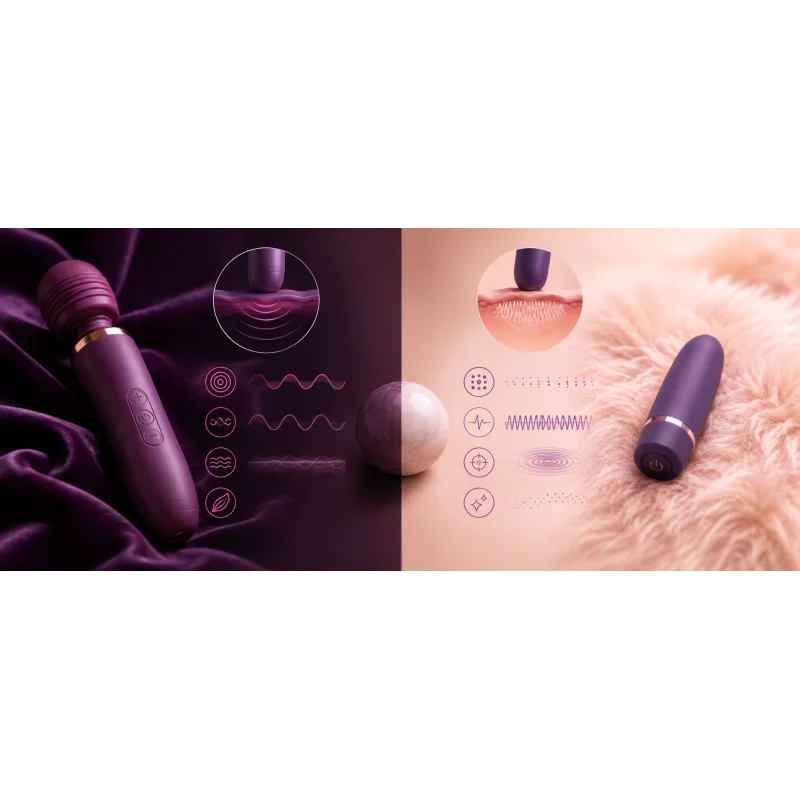
Rumbly vs Buzzy Vibrations: A Guide for Beginners
Exploring rumbly vs buzzy vibrations in sex toys can enhance your intimate experience. Learn how different vibrations feel, how to choose the right products and what factors affect sensation. This beginner's guide offers practical advice on selecting toys based on your personal preference and sensitivity.
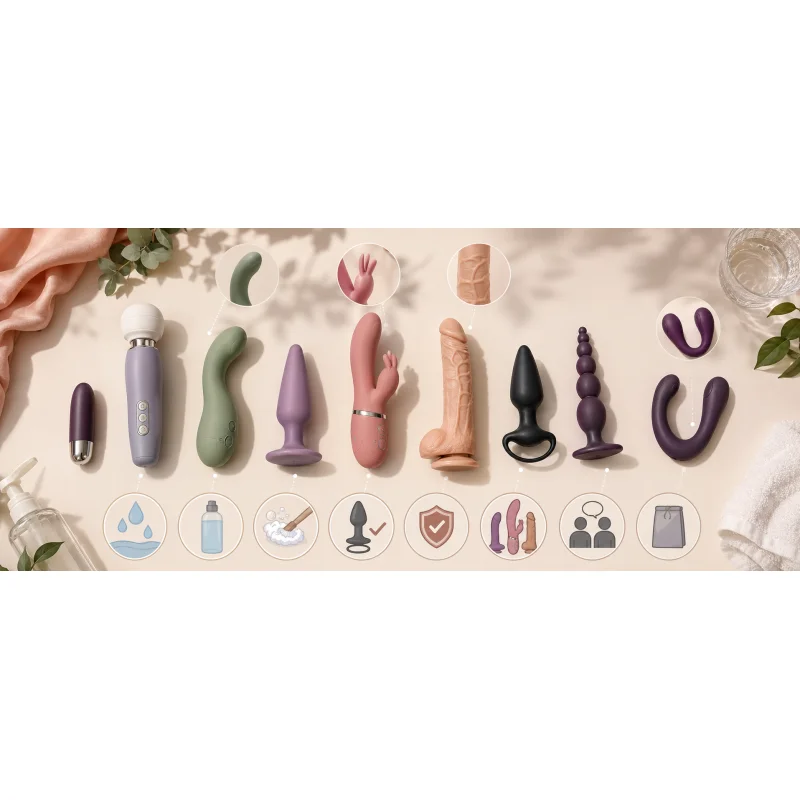
Sex Toy Shapes: The Complete Guide for Beginners
Exploring sex toy shapes can be a delightful journey for beginners. Understanding how shape affects stimulation, comfort and use is key to finding the perfect match for your desires.
Join Our Newsletter
Get the latest tips and exclusive offers.